Maximizing Success in Business: A Comprehensive Guide to Department Stores, Shopping, and Fashion
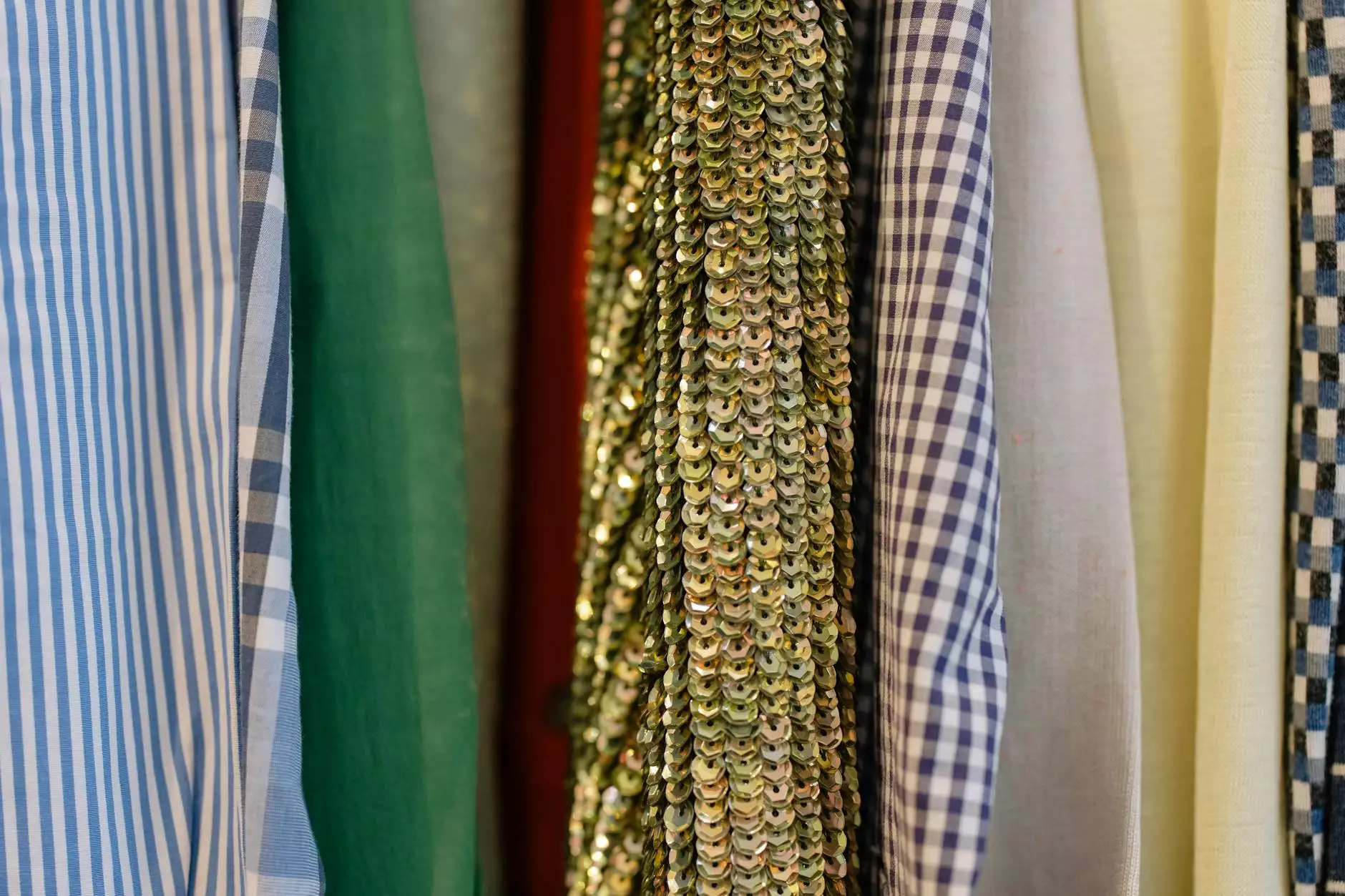
In today's rapidly evolving marketplace, establishing and sustaining a successful business requires more than just offering products; it demands a strategic understanding of consumer behavior, innovative marketing, and a keen eye on industry trends. The realm of department stores, shopping, and fashion represents a vibrant and competitive sector where adaptability and foresight can make the difference between thriving and decline. This comprehensive guide explores the essential elements for achieving excellence in these interconnected fields, providing actionable insights designed to help you outrank competitors and position your business at the forefront of the industry.
Understanding the Modern Landscape of Department Stores
Department stores have historically been cornerstone retail establishments, offering a wide array of products spanning clothing, electronics, home goods, and more under one roof. However, in the modern era, these stores face unprecedented challenges and opportunities. To capitalize on current trends, businesses must focus on creating a compelling shopping experience that aligns with customer expectations and leverages technological advancements.
Key Attributes of Successful Department Stores
- Customer-Centric Approach: Providing personalized services, loyalty programs, and attentive staff to foster customer loyalty.
- Diversified Product Range: Constantly updating inventory to meet diverse customer preferences and seasonal demands.
- Omnichannel Integration: Seamlessly combining brick-and-mortar stores with online platforms for a unified shopping experience.
- Use of Data Analytics: Leveraging customer data to optimize inventory, marketing strategies, and targeted promotions.
- Innovative Store Layouts: Designing engaging store environments that enhance the shopping journey and encourage longer visits.
The Role of Technology in Transforming Department Stores
Cutting-edge technologies such as augmented reality (AR), virtual fitting rooms, AI-driven chatbots, and mobile payment options have revolutionized the retail landscape. Incorporating these tools creates a more immersive and convenient experience that encourages repeat business. For instance, AR apps allow customers to virtually try on clothing or visualize furniture in their homes, greatly enhancing customer satisfaction and reducing return rates.
Emerging Shopping Trends Shaping the Industry
Staying ahead of the curve requires awareness of evolving shopping behaviors and preferences. Key trends include:
1. E-Commerce Dominance
Online shopping continues to surge, driven by mobile device usage and convenience. A well-optimized e-commerce platform, complete with detailed product descriptions, high-quality images, and smooth checkout processes, is essential.
2. Personalization and Customization
Customers increasingly seek personalized experiences, from tailored product recommendations to custom-made apparel. Data-driven marketing and AI technology enable businesses to deliver highly relevant content and offers.
3. Sustainable and Ethical Shopping
Consumers are prioritizing brands that demonstrate environmental responsibility and ethical sourcing. Incorporating sustainable practices not only aligns with customer values but also enhances brand reputation.
4. Experiential Retail
Creating memorable in-store experiences through interactive displays, live events, and themed environments helps differentiate your store from online competitors and fosters deeper customer engagement.
Fashion in Retail: Trends, Insights, and Strategies
The fashion sector within retail plays a pivotal role in shaping consumer engagement and brand identity. Staying current with fashion trends and understanding customer preferences are fundamental to success. Here are some key strategies:
Adapting to Fast-Paced Fashion Cycles
Fast fashion brands capitalize on rapid turnaround times from runway to retail, allowing customers to access the latest styles quickly and at affordable prices. To compete, traditional retailers must streamline supply chains and embrace agility.
Building a Strong Brand Identity
Distinct branding helps you stand out in a crowded marketplace. Whether through unique store aesthetics, exclusive collections, or compelling storytelling, a strong brand fosters customer loyalty.
Utilizing Social Media and Influencer Collaborations
Platforms like Instagram, TikTok, and Pinterest are vital channels for fashion marketing. Collaborating with influencers and content creators amplifies reach and builds authentic connections with target audiences.
Incorporating Ethical and Sustainable Fashion
Offering eco-friendly clothing lines and transparent supply chain practices appeals to environmentally conscious consumers, enhancing your market positioning.
Strategic Marketing for Retail Success
Effective marketing is the backbone of a thriving business. Strategic initiatives that combine traditional and digital marketing channels can significantly boost visibility and sales.
1. Search Engine Optimization (SEO)
Optimizing your website for search engines is crucial for organic traffic. Use keyword-rich content, meta tags, and high-quality backlinks to improve your rankings. For example, integrating keywords like "spousal support lawyer" strategically in relevant contexts can attract niche audiences, although in this context, the focus remains on retail, so SEO should target industry-specific terms.
2. Content Marketing
Producing valuable blog posts, lookbooks, and style guides can establish your authority and attract potential customers searching for fashion trends and shopping tips.
3. Social Media Advertising
Targeted ad campaigns on Facebook, Instagram, and TikTok reach specific demographics and drive foot traffic or website visits.
4. Email and Loyalty Campaigns
Building an email list allows personalized promotions and inside information that nurture customer relationships and encourage repeat purchases.
Enhancing Customer Experience and Satisfaction
Customer satisfaction directly impacts retention and reputation. Key elements include:
- Exceptional Customer Service: Training staff to be knowledgeable, friendly, and proactive.
- Convenient Shopping Solutions: Providing multiple payment options, fast checkout lines, and options for home delivery or in-store pickup.
- Return and Exchange Policies: Offering flexible policies that build trust and confidence.
- Engaging Store Environment: Creating welcoming, stylish, and clean spaces that invite exploration.
Legal and Financial Planning for Retailers
Successful retail operations also depend on solid legal and financial foundations. Employing expert legal counsel ensures compliance with local regulations, includes hiring a "spousal support lawyer" when necessary, especially concerning business partnerships or divorces affecting ownership structures.
Financial planning involves budgeting, cash flow management, and strategic investments. Using professional advisors and accounting tools can optimize profitability and prepare for expansion.
Conclusion: Your Path to Retail Excellence
Mastering the interconnected worlds of department stores, shopping trends, and fashion requires a strategic approach rooted in innovation, customer commitment, and market awareness. By integrating cutting-edge technology, embracing sustainability, and delivering exceptional experiences, your retail business can not only survive but thrive in today's competitive environment. Implementing comprehensive marketing strategies, optimizing your online presence, and fostering loyalty are vital steps toward outranking competitors and securing long-term success in this vibrant industry.
Remember, sustained success depends on constant adaptation and a deep understanding of your customers' evolving needs. Stay informed about industry trends, invest in staff training, and continually refine your offerings. In doing so, you position your business as a leader in the retail sector, ready to capitalize on future opportunities and set new standards for excellence.