How Much Are Dental Implants? A Comprehensive Guide
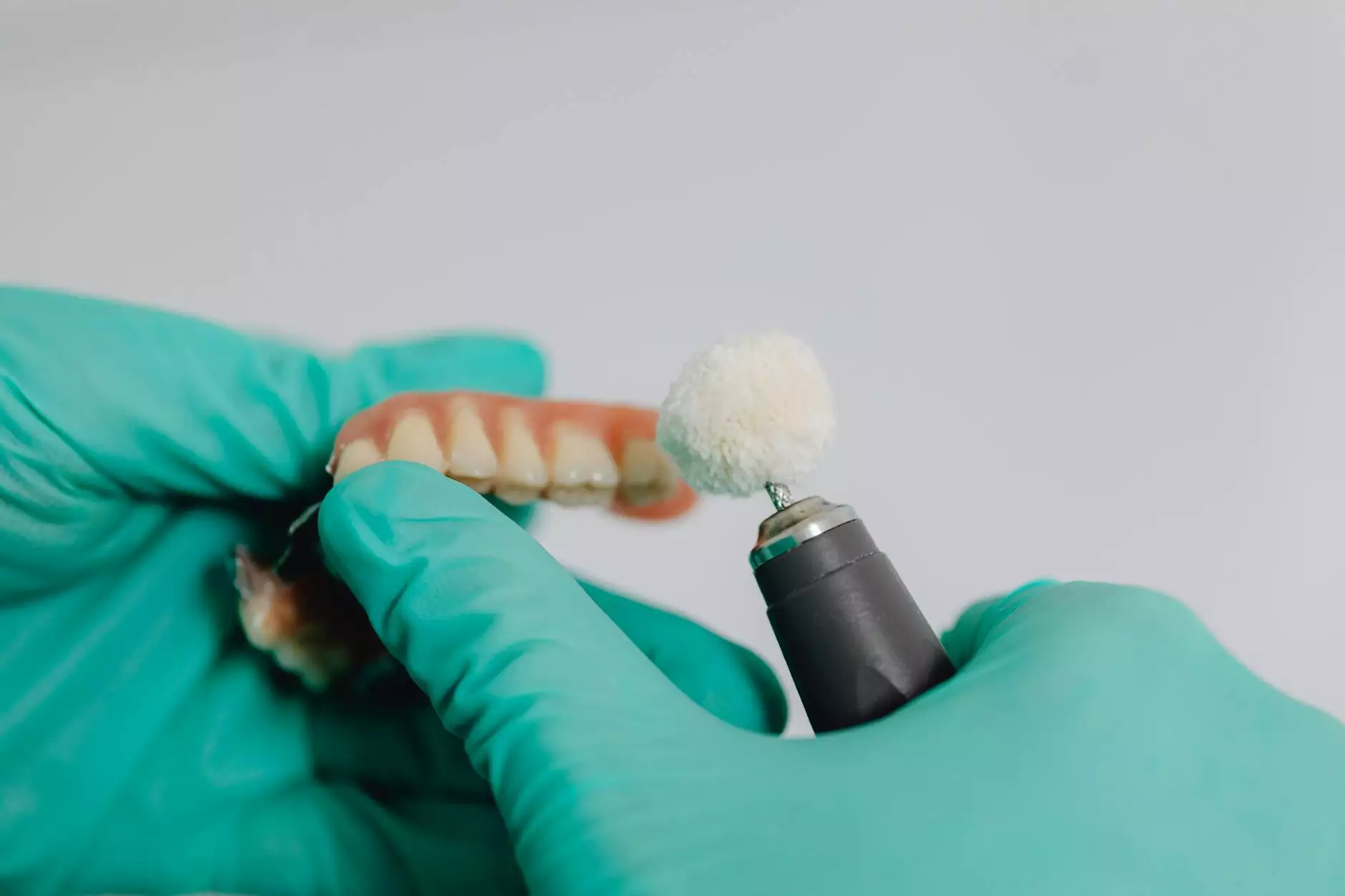
If you are considering tooth replacement options, you may wonder, how much are dental implants? Dental implants are a popular choice for many individuals seeking to restore their smiles and improve their quality of life. This comprehensive guide will delve into the costs associated with dental implants, factors influencing those costs, financing options, and the preferences of patients and dentists alike.
Understanding Dental Implants
Dental implants are artificial tooth roots made of titanium that are surgically embedded into the jawbone. They serve as a sturdy foundation for replacement teeth or bridges. Implants are preferred for their durability, ease of care, and their ability to look and function like natural teeth. The process involves multiple stages, including:
- Initial Consultation: A dentist evaluates the patient’s oral health and suitability for implants.
- Surgical Placement: The implant is placed into the jawbone.
- Osseointegration: A healing phase where the bone fuses with the implant, taking several months.
- Abutment Placement: After healing, an abutment is attached to the implant.
- Crown Placement: Finally, a custom crown is placed on the abutment to complete the restoration.
Factors Influencing the Cost of Dental Implants
When examining how much are dental implants, it's essential to understand the various factors that can influence the overall cost:
1. Geographic Location
The costs of dental implants can vary widely by location. Urban areas with a higher cost of living often see higher dental fees compared to rural areas.
2. Experience of the Dentist
The expertise of the dental professional performing the procedure plays a significant role in the cost. Highly qualified and experienced dentists may charge more for their services.
3. Type of Implant and Material Used
There are various types of dental implants, and the materials used can affect the price. Conventional titanium implants may cost differently than ceramic implants, which are often more aesthetically pleasing but can also be more expensive.
4. Additional Procedures
If a patient requires additional procedures such as bone grafting or sinus lifts, this can significantly add to the overall cost. Preparing the jawbone or sinus for implants can be essential for successful placement and longevity of the implants.
5. Number of Implants
The total cost also depends on the number of implants needed. Single implants generally cost less than multiple implants or complete arch replacements.
Average Costs of Dental Implants
Now that we’ve explored the various factors affecting costs, let’s look at some average price ranges for dental implants. Generally speaking, the complete cost of a dental implant can range from $3,000 to $6,000 per implant. This estimate typically includes the implant, abutment, and crown. However, this range can vary based on the aforementioned factors.
Typical Breakdown of Costs
- Consultation Fees: $100 - $300
- Implant Placement: $1,000 - $3,000
- Abutment Cost: $300 - $500
- Crown Fabrication: $800 - $2,000
- Additional Procedures: Variable
Financing Options for Dental Implants
Given the investment required for dental implants, many patients seek financing options. Fortunately, various plans can help ease the financial burden:
- Dental Insurance: Some insurance plans cover a portion of implant costs. It's important to check your policy for coverage specifics.
- Payment Plans: Many dental offices offer in-house payment plans that allow you to spread the cost over several months.
- Health Care Credit Cards: Specialized credit cards for medical expenses can provide financing options specifically for dental procedures.
- Personal Savings or Loans: Some patients opt to use personal savings or seek traditional loans to cover the cost.
Benefits of Dental Implants
While the cost of dental implants can be a concern, it is crucial to understand their many benefits, which often outweigh the initial expense:
1. Durability and Longevity
With proper care, dental implants can last a lifetime, making them a sound long-term investment compared to other tooth replacement options that may require regular replacement.
2. Improved Oral Health
Implants do not require altering adjacent teeth, preserving the health of natural teeth. They also support jawbone health, preventing deterioration that can occur after tooth loss.
3. Enhanced Aesthetics and Functionality
Dental implants look and feel like natural teeth, allowing patients to enjoy their favorite foods without worry and smile confidently. They provide the stability and strength that many dentures cannot offer.
4. Boosted Self-Confidence
Missing teeth can significantly impact self-esteem. By opting for dental implants, individuals can regain their confidence in their appearance and smile freely.
Comparing Dental Implants to Other Tooth Replacement Options
To fully appreciate the value of dental implants, let's compare them to other common tooth replacement options. These typically include dentures and bridges.
Dental Bridges
A dental bridge can replace one or more missing teeth by anchoring to adjacent natural teeth. While generally less costly than implants, they require altering healthy teeth. Additionally, bridges may need replacements or repairs over time, leading to ongoing costs.
Complete or Partial Dentures
Dentures are removable appliances that replace missing teeth. Although usually cheaper upfront, they can be less stable and may require regular replacements or adjustments. Some patients experience difficulty eating or speaking with dentures, while implants offer a more secure and natural solution.
Conclusion
In conclusion, the question of how much are dental implants involves a multi-faceted assessment of costs, benefits, and personal circumstances. Though the initial investment might seem significant, the long-term advantages of dental implants, including durability, improved oral health, and enhanced quality of life, often make them worth the cost. If you are considering dental implants, consult with a qualified dental professional from wupdoc.com to discuss your options and determine the best treatment plan tailored to your needs.
Investing in your oral health is a step toward achieving a confident smile and a better quality of life. Take action today to restore your dental health and enjoy all the benefits that come with dental implants!