Exquisite Strategies for Effective Rice Weevil Control
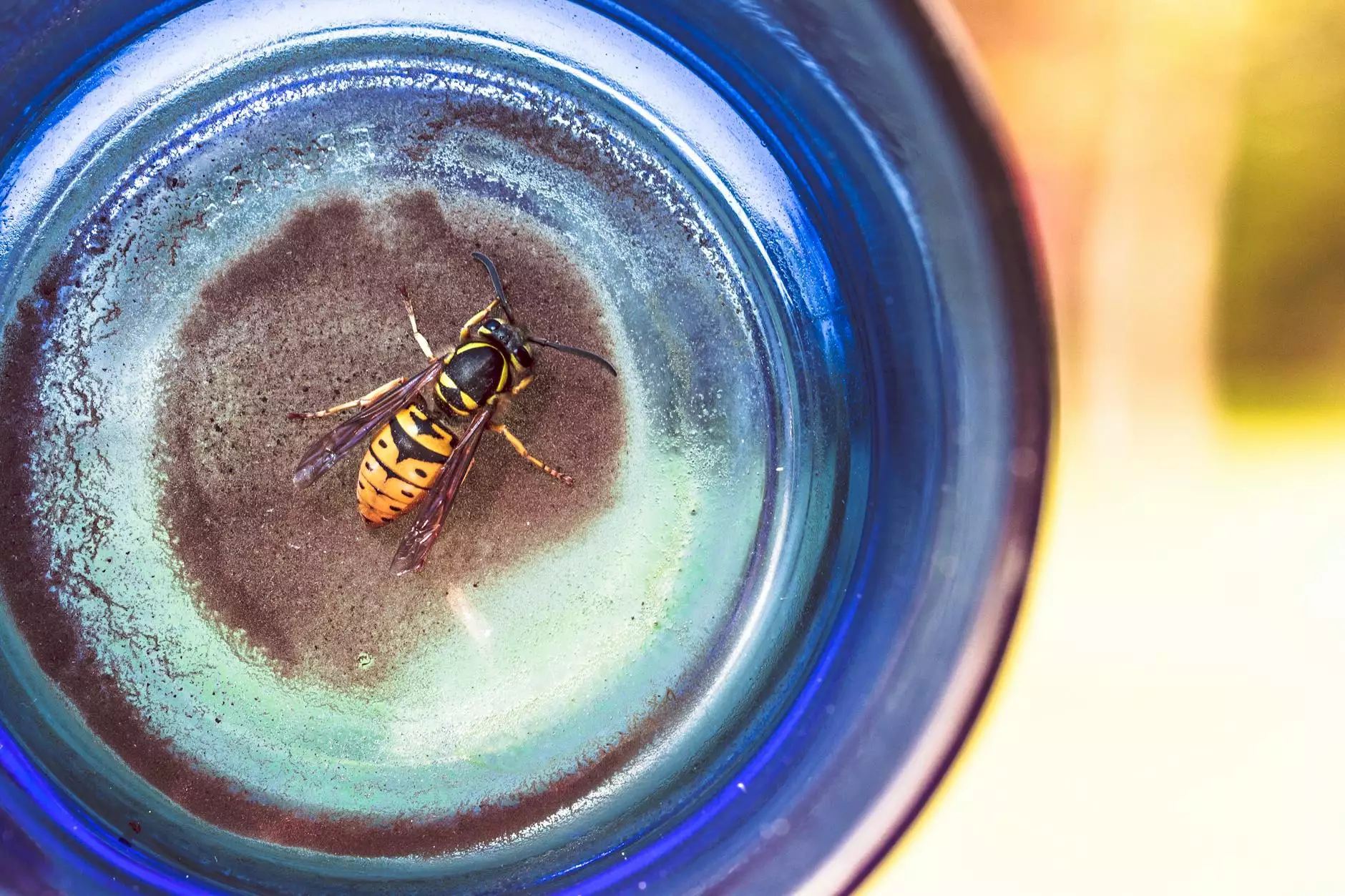
The rice weevil is a notorious pest known for wreaking havoc in rice storage and production areas. Understanding how to effectively manage and control this pest can mean the difference between a successful harvest and a devastating loss. In this extensive guide, we will explore various aspects of rice weevil control, detailing prevention methods, identification techniques, and effective strategies for elimination. Our aim is to equip farmers and agricultural professionals with invaluable knowledge to safeguard their crops.
Understanding the Rice Weevil
Before diving into control methods, it is essential to understand the biology and behavior of the rice weevil (Sitophilus oryzae). This small, dark-brown beetle has a distinctive elongated snout and can fly, which assists in its ability to spread rapidly in storage settings. Understanding its life cycle provides critical insight into effective control:
- Egg Stage: The female rice weevil lays her eggs inside grains, which hatch into larvae.
- Lava Stage: The larvae feed on the grain, causing damage.
- Pupal Stage: Larvae transform into pupae within the grain.
- Adult Stage: Adults emerge, continuing the cycle.
The rapid life cycle of the rice weevil can lead to significant infestations if not addressed promptly. With this knowledge, farmers can implement timely and effective control strategies.
Identifying Rice Weevil Infestations
Proper identification of rice weevil infestations is crucial for effective control. Here are some telltale signs:
- Presence of holes: Small holes in grains, usually pinpoint in size.
- Frass: Tiny grains of excrement near infested grains.
- Adult beetles: Sightings of adult rice weevils, particularly near food storage areas.
- Grain damage: Observing that infested grains are hollowed or damaged.
Regular inspection and monitoring can help in the early detection of these pests, allowing farmers to take immediate action to control their spread.
Prevention is Key: Effective Strategies for Rice Weevil Control
Preventing infestations is often more effective and less costly than dealing with an established population of rice weevils. Here are several proactive measures you can adopt:
1. Comprehensive Cleaning
One of the simplest yet most effective strategies for rice weevil control is to maintain cleanliness in storage and processing areas. Regularly clean and disinfect all surfaces where rice or grain is stored or processed.
- Use vacuums and brooms to remove spilled grains.
- Dispose of old and infested grains safely.
- Seal any cracks or crevices in storage areas to prevent weevil entry.
2. Controlled Storage Conditions
Temperature and humidity control are vital in preventing rice weevil infestations:
- Store grains in a cool, dry place.
- Aim for humidity levels below 15% to discourage weevil reproduction.
- Using refrigerated storage for susceptible grain types can be beneficial.
3. Use of Insect-Resistant Containers
Investing in high-quality, insect-resistant storage containers can help protect stored grains from potential infestations. Look for containers made of durable materials with tight-sealing lids.
Control Methods for Established Infestations
Despite best prevention efforts, infestations may still occur. Here are effective methods for controlling established populations of rice weevils:
1. Mechanical Control
Mechanical control methods can be highly effective. Consider the following:
- Traps: Use pheromone traps to monitor and capture adult weevils.
- Vacuuming: Regularly vacuum infested grains and surrounding areas to remove weevils and their eggs.
- Heat Treatment: Expose infested grain to temperatures above 140°F for at least one hour to kill all life stages.
2. Chemical Control
In cases of severe infestation, chemical insecticides may be necessary. Always consider the following:
- Fumigation: A thorough fumigation process can eradicate infestations; however, it should be conducted by professionals.
- Residual Insecticides: These can be applied to storage surfaces to repel or kill adult weevils.
Always follow all label instructions and safety precautions when using chemicals. Consider non-toxic and organic solutions to minimize environmental impacts.
Integrating Technology for Effective Rice Weevil Control
The advancement of agricultural technology has paved the way for innovative methods in pest control, including for rice weevils. Here are some examples of how technology can aid in rice weevil control:
1. Smart Monitoring Systems
Utilize smart sensors and monitoring systems that can detect changes in grain quality, temperature, and humidity in storage areas. These systems can alert farmers to potential infestations before they become severe.
2. Data Analysis and Predictive Modeling
Software solutions can analyze historical data on pest activity and crop conditions, allowing farmers to predict potential infestations and adjust management practices accordingly.
Conclusion
Effectively managing rice weevil control requires an integrated approach that combines prevention, identification, and control methods. By implementing rigorous preventive measures, enhancing storage conditions, and utilizing both mechanical and chemical control strategies, agricultural professionals can protect their crops and ensure a prosperous harvest.
Remember, the key to successful rice weevil control lies in vigilance. Regular inspections, quick identification of problems, and timely intervention can save significant losses and help maintain the integrity of stored grains. For additional information and services related to farm equipment repair and farming equipment, consider visiting tsgcinc.com.