Enhancing Business Efficiency with Work Wellness Solutions
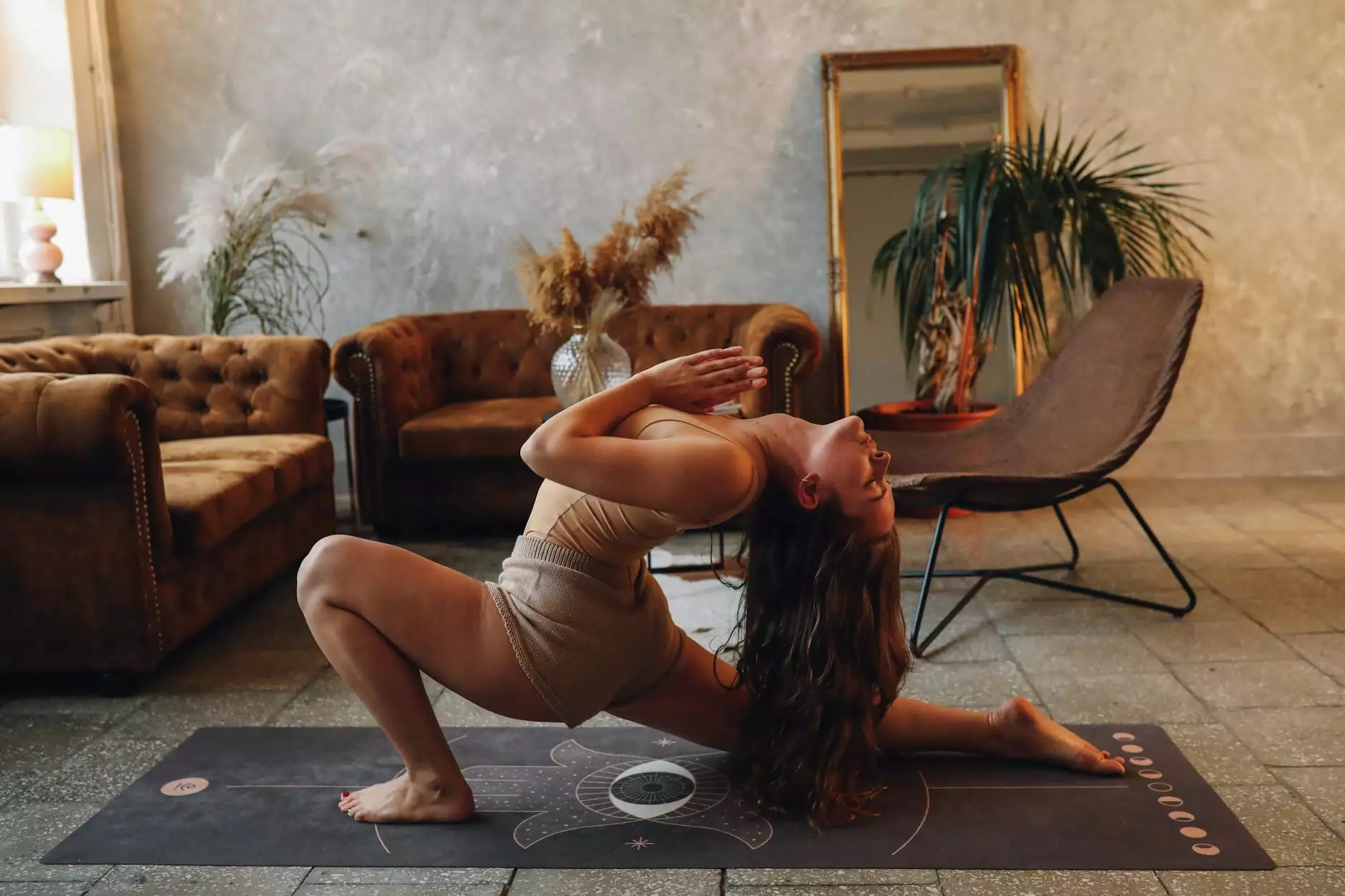
In today's fast-paced corporate landscape, businesses are increasingly recognizing the significance of work wellness solutions. These innovative strategies not only improve employee morale but also enhance overall productivity. In this comprehensive guide, we delve into the intricacies of work wellness solutions specifically tailored for various sectors, including wedding planning, art galleries, and photographers.
What Are Work Wellness Solutions?
At its core, a work wellness solution refers to a comprehensive approach that promotes well-being within the workplace. This can encompass physical health, mental resilience, and emotional stability. By fostering an environment that supports work-life balance, companies can enhance employee engagement, reduce turnover rates, and ultimately improve business performance.
The Importance of Work Wellness Solutions
Employers are increasingly adopting work wellness solutions as a strategic initiative to cultivate a healthier workforce. Here are some key benefits:
- Increased Productivity: Employees who feel supported tend to be more productive and motivated.
- Enhanced Employee Engagement: Wellness programs foster a sense of belonging, which enhances employee loyalty.
- Reduced Healthcare Costs: A healthier workforce leads to lower healthcare expenses and fewer sick days.
- Attracting Top Talent: A robust wellness program is an attractive benefit when recruiting new employees.
Implementing Work Wellness Solutions in Your Business
Implementing effective work wellness solutions involves several thoughtful steps. Here’s how businesses in the wedding planning, art galleries, and photography industries can initiate these solutions:
1. Assess Employee Needs
Before launching any wellness program, it's critical to understand the specific needs and preferences of your employees. Conducting surveys or focus groups can provide insights into what wellness strategies would resonate most. For example:
- Wedding Planning: Understanding the stressors involved in the process can help tailor programs to alleviate stress.
- Art Galleries: Artists and curators often face unique pressures; addressing these can enhance creativity and innovation.
- Photographers: Freelance photographers may benefit from flexible work schedules and mental health resources.
2. Create a Holistic Wellness Program
A successful work wellness solution should be holistic, addressing physical, mental, and emotional well-being. Consider integrating the following components:
- Physical Wellness: Encourage regular exercise by providing gym memberships or yoga classes.
- Mental Wellness: Implement meditation sessions or workshops on stress management.
- Social Wellness: Organize team-building activities that foster camaraderie and collaboration.
3. Involve Leadership
Leadership buy-in is essential for the success of wellness initiatives. When leaders model healthy behaviors and actively participate in wellness programs, it sets a positive example for employees. This is especially important in creative fields like wedding planning and photography, where team dynamics significantly impact project outcomes.
Case Studies: Successful Implementation of Wellness Solutions
Wedding Planning
Consider the case of a mid-sized wedding planning company, "Dream Weddings Co." They implemented a work wellness solution by offering flexible work hours and regular wellness workshops. As a result, employee satisfaction increased by 40%, and their project delivery turnaround improved significantly.
Art Galleries
"Artistic Visions," a popular art gallery, introduced art therapy sessions for its staff, focusing on emotional well-being through creative expression. This initiative not only boosted staff morale but also inspired innovative exhibitions, leading to a 30% increase in visitor engagement.
Photographers
A photography studio, "Lens & Light," adopted a quarterly retreat program aimed at both professional development and wellness. This initiative allowed photographers to step away from their busy schedules, leading to renewed creativity and a significant improvement in client satisfaction ratings by 25%.
Measuring the Effectiveness of Work Wellness Solutions
After implementing a wellness program, it's crucial to evaluate its impact. Here are some effective ways to measure success:
- Employee Surveys: Regular feedback can assess how engaged employees feel with the wellness initiatives.
- Health Metrics: Tracking metrics such as absenteeism and healthcare costs can indicate improvements in employee well-being.
- Productivity Levels: Analyzing changes in productivity can reflect the effectiveness of implemented solutions.
Overcoming Challenges in Implementation
While implementing work wellness solutions is beneficial, businesses may encounter challenges. Here are a few common obstacles and how to overcome them:
1. Budget Constraints
Many businesses worry about the costs associated with wellness programs. However, even small, low-cost initiatives—such as a walking challenge or virtual wellness workshops—can significantly impact.
2. Resistance to Change
Some employees may be skeptical about new wellness initiatives. Address this by communicating the benefits and encouraging participation through incentives.
Conclusion: The Future of Work Wellness Solutions
In an era where employee well-being is paramount, work wellness solutions stand out as a formidable approach to fostering a productive and engaged workforce. Businesses in sectors like wedding planning, art galleries, and photography must prioritize these solutions to enhance team dynamics, spark creativity, and ultimately drive success. As we move forward, the integration of wellness into workplace culture will not just be a benefit—it will be a necessity.
By investing in work wellness solutions, you’ll not only witness improved employee satisfaction but also set the stage for long-term business success. Remember, a happy employee is a productive employee, and in turn, leads to greater outcomes for your business.