Revolutionizing Business with Advanced Refrigeration Equipment
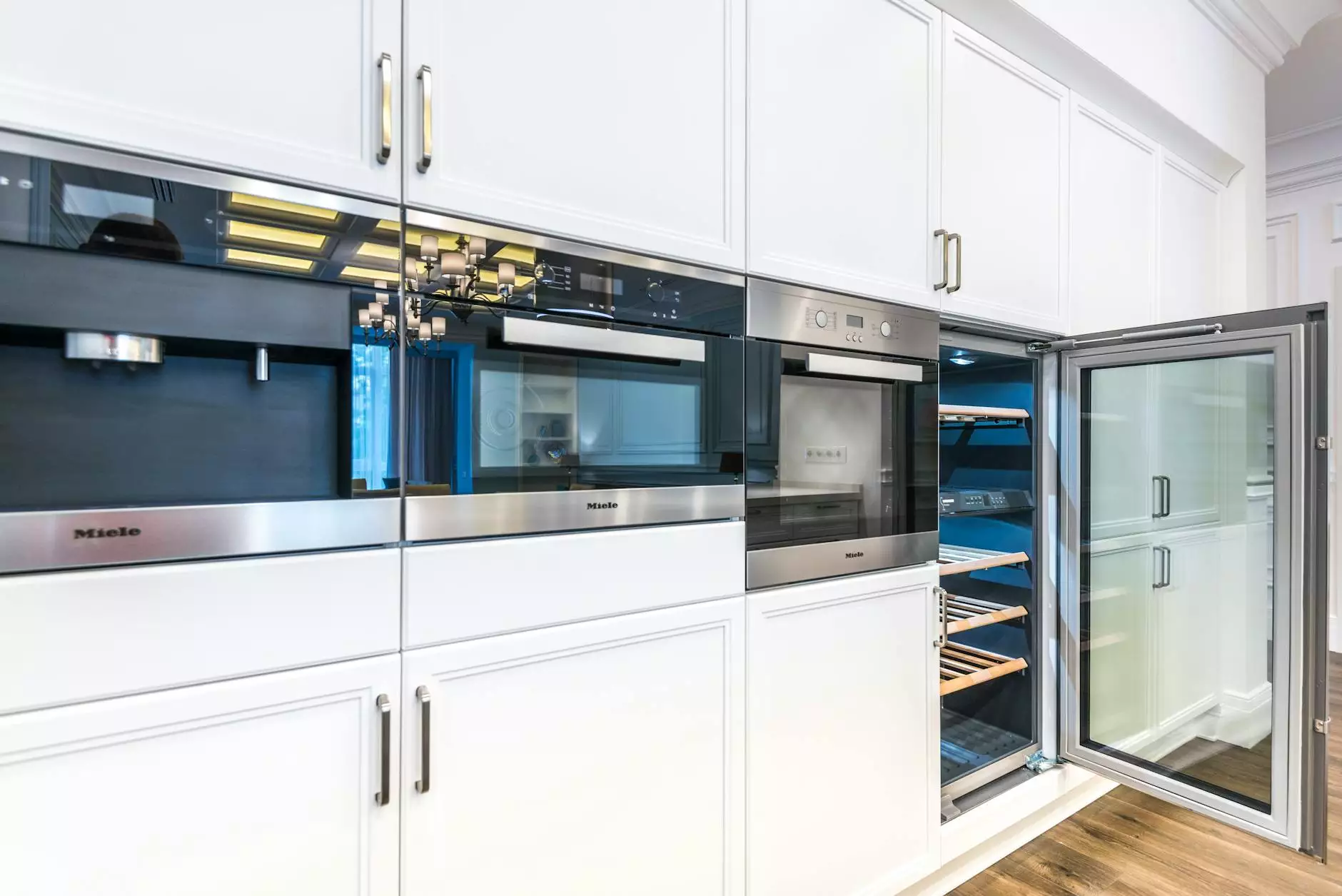
Business operations in today’s fast-paced market require a keen focus on efficiency, quality, and reliability. One of the most crucial aspects impacting commercial success is the management of temperature-sensitive products. This is where specialized refrigeration equipment plays a vital role. In this article, we will explore the multifaceted benefits of investing in superior refrigeration technologies, with a special focus on https://www.first-coldchain.com/ as a premier provider of refrigeration solutions.
The Importance of Refrigeration in Modern Business
In various industries, especially food and pharmaceuticals, maintaining the right temperature is not just a matter of quality, but compliance with health and safety regulations. Let's delve into why refrigeration equipment is essential for businesses.
1. Enhancing Product Quality
High-quality refrigeration systems ensure that products are kept at optimal temperatures throughout the entire supply chain. This consistency is crucial for:
- Perishable Goods: Foods such as dairy, meats, and vegetables require specific temperatures to prevent spoilage.
- Pharmaceuticals: Many medications need precise temperature control to maintain their efficacy and safety.
- Cosmetics: Temperature fluctuations can compromise the quality of beauty products, affecting their stability and usability.
2. Boosting Business Efficiency
Investing in modern refrigeration equipment leads to enhanced operational productivity. This improvement is achieved through:
- Energy Efficiency: Newer refrigeration technologies consume less power, reducing operational costs.
- Automation: Advanced systems provide monitoring and control features that automate temperature adjustments.
- Reduced Downtime: Reliable refrigeration minimizes breakdowns, ensuring continuous business operations.
Types of Refrigeration Equipment for Businesses
Understanding the different types of refrigeration equipment available can help businesses make informed decisions about their needs. Below are some common types of refrigeration solutions.
1. Commercial Refrigerators
These are essential for retail environments, especially grocery and convenience stores. Modern commercial refrigerators are designed to maximize visibility while maintaining the necessary temperature for products.
2. Freezers
Lasting durability is crucial for freezers, especially for businesses involved in the storage of frozen foods or pharmaceuticals. Quality freezers can sustain low temperatures efficiently.
3. Walk-in Coolers and Freezers
Ideal for restaurants and warehouses, walk-in units provide ample space for temperature-sensitive inventory. They are customizable and can be built to suit specific business needs.
4. Transport Refrigeration
For businesses that require transportation of goods, mobile refrigeration units ensure that products remain preserved during transit. This equipment is essential for maintaining the cold chain.
Key Features to Look for in Refrigeration Equipment
As you explore your options for refrigeration technology, several specifications will determine the best choice for your business:
1. Energy Efficiency Ratings
Efficient equipment not only lowers utility costs but can also reduce your carbon footprint. Look for units with high-efficiency ratings.
2. Temperature Control Accuracy
Precise temperature control is imperative for maintaining product integrity. Choose systems with reliable thermostats and monitoring systems.
3. Construction Quality
Durable, robust materials will ensure longevity and lower maintenance costs. Insulated materials prevent temperature fluctuations.
4. Warranty and Service Availability
Long warranties and accessible service support are essential to protect your investment and ensure operational continuity.
Implementing Refrigeration Solutions: Best Practices
Once you have selected your refrigeration equipment, implementing it correctly is crucial for maximizing its effectiveness. Here are some best practices:
1. Regular Maintenance
Schedule routine maintenance checks to ensure that your refrigeration systems are functioning optimally, thus avoiding unexpected failures.
2. Staff Training
Educate your staff on the proper operation and management of refrigeration equipment to enhance its longevity and performance.
3. Proper Inventory Management
Implement FIFO (First In, First Out) methods to reduce spoilage and maintain freshness in products being stored.
4. Monitoring Systems
Utilize temperature monitoring systems to provide real-time data on the conditions within your refrigeration units, allowing for proactive adjustments.
Adopting Sustainable Refrigeration Practices
As businesses strive for sustainability, refrigeration plays a significant role in reducing environmental impact. Here’s how you can make your refrigeration practices more eco-friendly:
1. Use of Natural Refrigerants
Consider systems that use natural refrigerants like propane or ammonia, which have a lower environmental impact compared to synthetic refrigerants.
2. Energy-efficient Equipment
Investing in ENERGY STAR rated equipment can significantly lower energy consumption, leading to both cost savings and environmental benefits.
3. Solar Power Integration
For businesses in sunny climates, integrating solar panels can provide renewable energy to power refrigeration systems.
Conclusion
In conclusion, the impact of advanced refrigeration equipment on business operations cannot be overstated. With the right systems in place, your business can streamline operations, enhance product quality, and ultimately drive customer satisfaction. For top-tier solutions tailored to your needs, visit https://www.first-coldchain.com/ today. Investing in reliable refrigeration equipment is a step toward ensuring the longevity and success of your business.
FAQs about Refrigeration Equipment
1. How do I choose the right refrigeration equipment for my business?
Assess your product types, storage needs, and energy costs. Research suppliers, and consider customer reviews and warranties.
2. What maintenance is required for commercial refrigeration systems?
Regular cleaning, checking seals and gaskets, ensuring proper airflow, and professional tune-ups are key maintenance tasks.
3. Can refrigeration equipment be financed?
Yes, many suppliers offer financing options for businesses to spread out the cost of new refrigeration equipment.
4. What are the signs that my refrigeration system needs repairs?
Common signs include inconsistent temperatures, unusual noises, ice buildup, and higher energy bills.
5. How can I ensure that my refrigeration systems are compliant with regulations?
Stay informed about local health and safety regulations regarding temperature control and regularly audit your equipment and processes.