Exploring the Delicacies of Pickled Wasabi Root
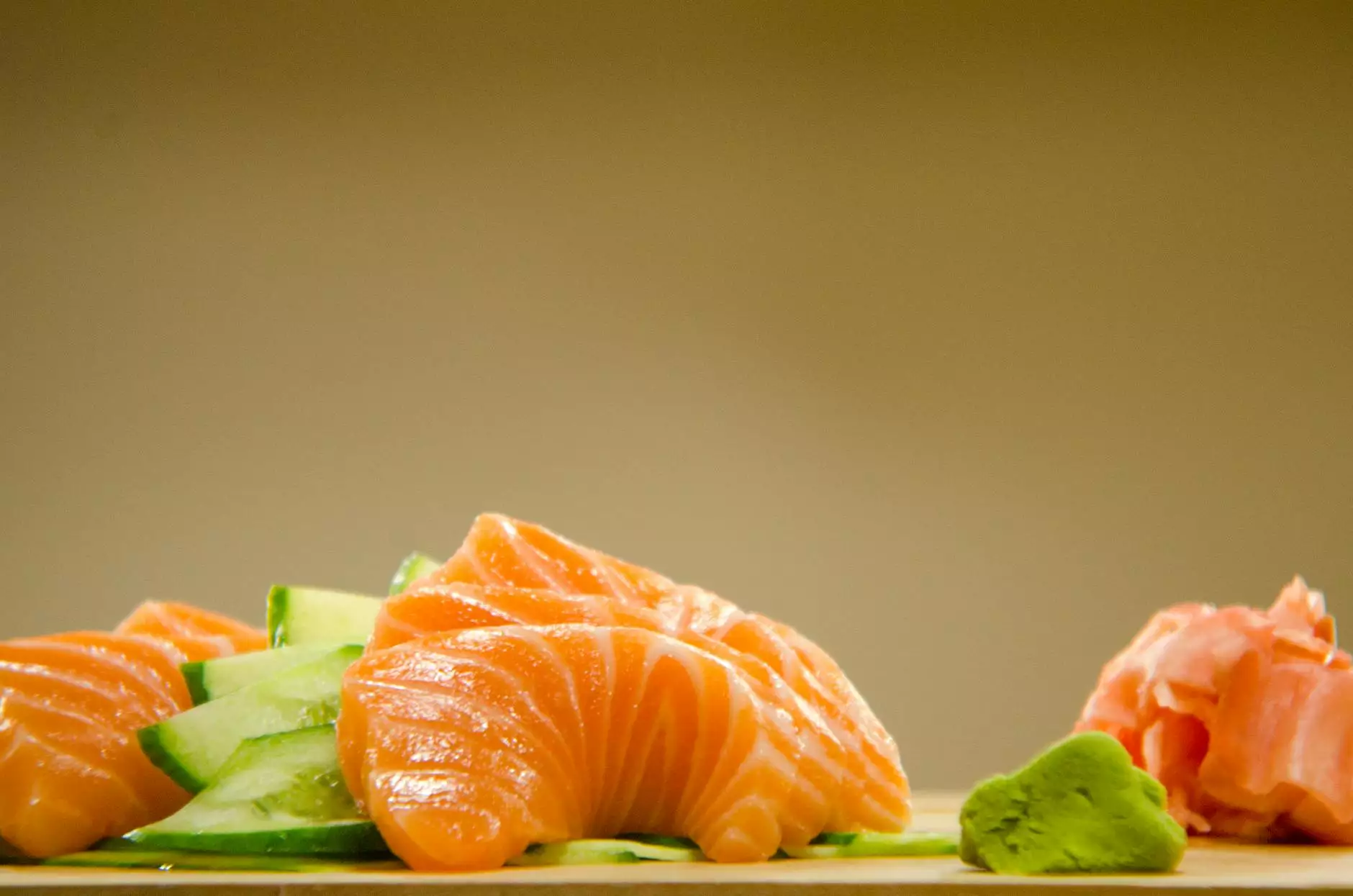
Pickled wasabi root is more than just a condiment; it embodies centuries of Japanese culinary tradition and has gained popularity worldwide. As an integral part of sushi culture, understanding this ingredient is crucial for restaurant owners, sushi bars, and Japanese cuisine enthusiasts alike. In this article, we delve into the history, preparation methods, health benefits, and culinary applications of pickled wasabi root to demonstrate its value in the contemporary culinary landscape.
The Origins of Wasabi
Wasabi, known scientifically as Wasabia japonica, is a plant native to Japan. It thrives in the cool, running waters of mountainous regions, making its cultivation labor-intensive and time-consuming. Historically, wasabi leaves were used in traditional dishes, but the root became a prized ingredient due to its potent flavor profile and distinctive heat.
Understanding Pickled Wasabi Root
Pickling wasabi root enhances its flavor while preserving its nutritional qualities. The pickling process involves immersing freshly grated wasabi in a mixture of vinegar, salt, and sometimes additional seasonings to achieve a balance of tanginess and spice. This method not only extends the root's shelf life but also intensifies the flavors, allowing it to be enjoyed in various dishes.
The Flavor Profile
Compared to its raw counterpart, pickled wasabi root offers a milder, more nuanced taste. The pickling process transforms the sharp heat of fresh wasabi into a flavorful condiment that pairs well with many dishes. The notes of vinegar add acidity, creating a delightful contrast that enhances the overall eating experience.
Nutritional Benefits of Pickled Wasabi Root
One of the most compelling reasons to incorporate pickled wasabi root into your menu is its health benefits. Beyond its delicious flavor, wasabi root is rich in essential nutrients and compounds that promote well-being.
- Rich in Antioxidants: Wasabi contains important antioxidants that help combat oxidative stress in the body.
- Anti-inflammatory Properties: The compounds in wasabi are known for their anti-inflammatory effects, potentially reducing the risk of chronic diseases.
- Digestive Health: Consuming wasabi may stimulate digestion and promote gut health due to its natural enzymes.
- Antimicrobial Effects: Wasabi has been shown to have antimicrobial properties, which can help in fighting harmful bacteria.
Culinary Uses of Pickled Wasabi Root
Pickled wasabi root is incredibly versatile and can enhance various dishes beyond traditional sushi. Here are some popular applications:
1. Sushi and Sashimi
The most common use of pickled wasabi root is as an accompaniment to sushi and sashimi. Its bright flavor cuts through the richness of raw fish, enhancing the overall tasting experience.
2. Dressings and Dips
Incorporating pickled wasabi root into sauces, dressings, and dips can add an exciting twist. Blend it with mayonnaise for a zesty sushi roll dip, or mix it into soy sauce for a flavorful twist on a classic condiment.
3. Grilled Meats and Vegetables
Drizzle pickled wasabi root over grilled meats and vegetables to elevate the dish. The tanginess complements the smoky flavors beautifully, offering a sophisticated dining experience.
4. Soups and Broths
Add pickled wasabi root to miso or clear soups for an extra layer of flavor. The heat from the wasabi melds seamlessly with warm broth, creating a comforting dish.
Why Your Restaurant Should Serve Pickled Wasabi Root
As a restaurant owner or sushi bar operator, you may wonder why incorporating pickled wasabi root could benefit your establishment. Here are several compelling reasons:
- Differentiation: Offering unique condiments like pickled wasabi root sets your menu apart, attracting adventurous diners looking for authentic experiences.
- Health-Conscious Appeal: With more consumers seeking healthier dining options, highlighting the nutritional benefits of pickled wasabi can drive interest.
- A Culinary Experience: Adding pickled wasabi root enhances the overall dining experience by allowing guests to explore new flavors, encouraging return visits.
- Innovative Pairings: Use pickled wasabi root to inspire new dishes that showcase creativity, appealing to foodies and culinary enthusiasts.
Storage and Shelf Life
To maintain the flavor and quality of pickled wasabi root, proper storage is essential. Store it in a cool, dark place, ideally in the refrigerator, and keep it tightly sealed to prevent contamination. When stored correctly, it can last for several months, making it a practical addition to any kitchen.
Conclusion: Embrace the Flavor of Pickled Wasabi Root in Your Establishment
Incorporating pickled wasabi root into your offerings can enhance your restaurant's appeal and culinary creativity. Its unique flavor profile and health benefits resonate with modern diners seeking authentic and engaging culinary experiences. By focusing on high-quality ingredients, like pickled wasabi root, you can position your restaurant as a leader in the sushi and Japanese dining scene.
For those in the restaurant industry, understanding and utilizing pickled wasabi root can lead to heightened customer satisfaction, increased patronage, and an enriched culinary landscape.