The Essential Role of the Transmission Pressure Switch
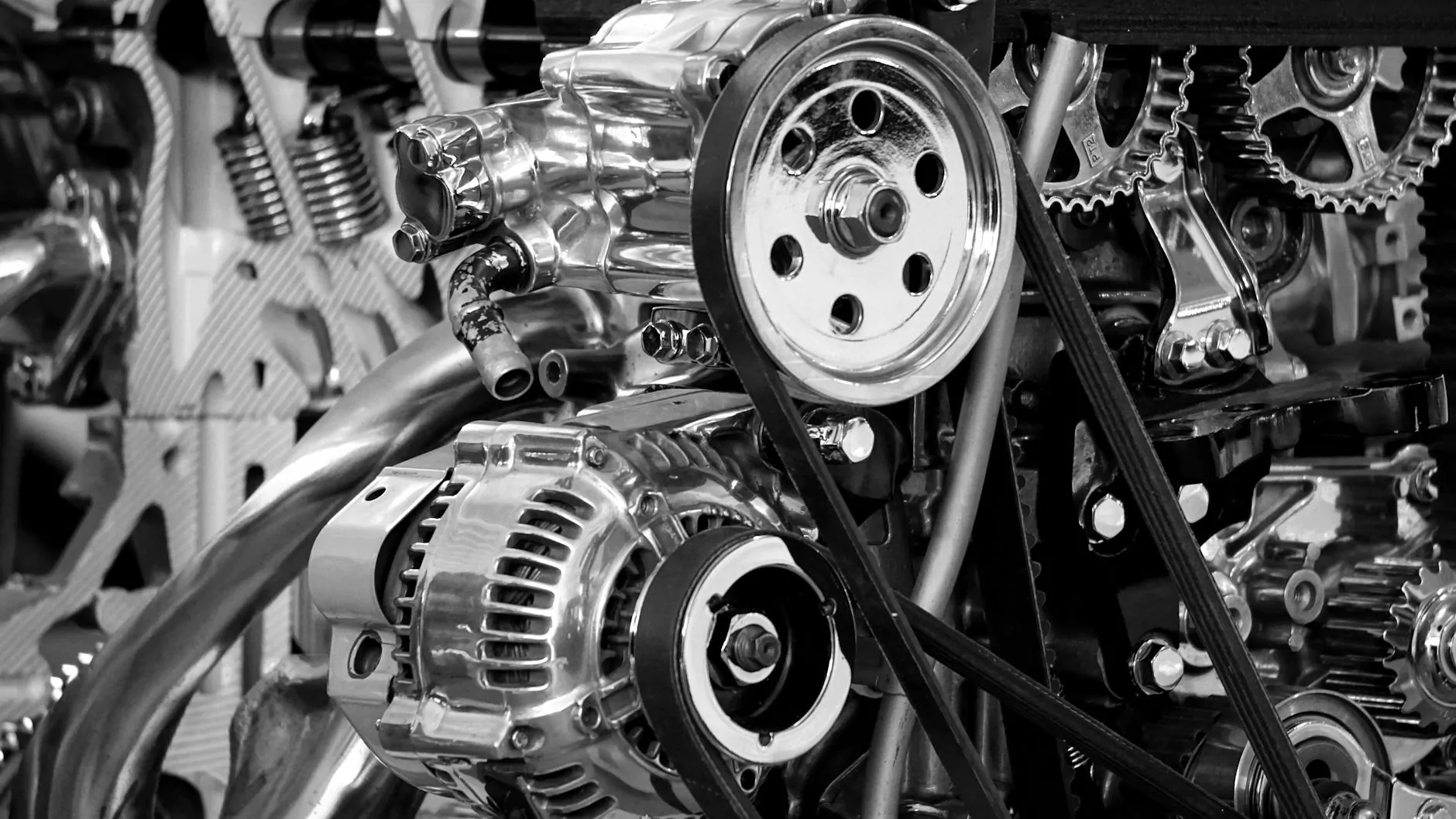
The transmission pressure switch is a vital component in the automotive world, serving as a critical element for the smooth functioning of modern vehicles. Understanding the intricacies of this component can greatly enhance both vehicle performance and maintenance strategies. In this article, we will delve deep into what a transmission pressure switch is, its functions, advantages, and crucial maintenance practices to ensure longevity and effectiveness.
What is a Transmission Pressure Switch?
The transmission pressure switch is an electronic device that monitors the hydraulic pressure within the transmission system. It serves as a feedback mechanism to the vehicle’s engine control unit (ECU), providing essential data regarding the pressure levels that affect the transmission's shifting patterns and overall operation.
How Does a Transmission Pressure Switch Function?
To understand the functionality of a transmission pressure switch, it's crucial to look at its positioning and operation:
Operation Mechanism
- Pressure Monitoring: The switch constantly monitors the hydraulic fluid pressure in the transmission system.
- Signal Transmission: When the pressure deviates from predefined parameters, the switch sends a signal to the ECU.
- Actuation of Alerts: This can trigger warning lights or signals on the dashboard, alerting the driver of potential issues.
The Importance of a Properly Functioning Transmission Pressure Switch
A fully operational transmission pressure switch plays several crucial roles:
- Optimal Gear Shifting: It ensures that gear shifting occurs at the appropriate times, enhancing vehicle performance and fuel efficiency.
- Prevention of Transmission Damage: By detecting issues early, it helps prevent severe transmission damage that could lead to costly repairs.
- Improved Safety: A malfunctioning transmission can lead to unexpected vehicle behavior, potentially causing safety hazards for the driver and others on the road.
Benefits of a Functional Transmission Pressure Switch
Incorporating a reliable transmission pressure switch provides multiple advantages:
1. Enhanced Performance
Vehicles equipped with a properly functioning pressure switch experience smoother acceleration and optimized gear changes. This means a more enjoyable driving experience and improved speed control.
2. Increased Fuel Efficiency
Efficient gear shifting leads to better fuel consumption. When the transmission system operates correctly thanks to the pressure switch, the engine can work within its optimum range.
3. Cost Efficiency
Regular monitoring and maintenance of the transmission pressure switch can save vehicle owners from expensive repairs down the line. Detecting issues early allows for minor fixes rather than expensive overhauls.
Common Issues with Transmission Pressure Switches
Despite their importance, transmission pressure switches can encounter several common problems:
- Electrical Failures: Over time, the electrical connections can degrade, leading to inconsistencies in pressure readings.
- Fluid Contamination: Contaminants in the transmission fluid can affect the switch's performance and lead to inaccurate signals.
- Mechanical Wear and Tear: Like any mechanical component, wear over time can lead to failure, necessitating replacement.
Signs of a Failing Transmission Pressure Switch
Recognizing the early signs of a malfunctioning transmission pressure switch can help prevent further damage:
- Warning Lights: Illuminated dashboard indicators are often the first sign of issues.
- Transmission Slippage: If the vehicle experiences slipping between gears, this could indicate a pressure issue.
- Poor Acceleration: Noticeably reduced power during acceleration can be a direct result of transmission problems.
Maintenance Tips for Transmission Pressure Switches
Maintaining the transmission pressure switch is crucial for your vehicle's longevity:
- Regular Inspections: Schedule routine check-ups to ensure the pressure switch and its connections are intact.
- Fluid Changes: Change transmission fluid as per the manufacturer’s recommendations to prevent contamination.
- Listen for Unusual Noises: Pay attention to sounds that may indicate transmission problems, and act quickly if heard.
When to Replace Your Transmission Pressure Switch
If you notice persistent issues associated with the signs mentioned earlier, it may be time to replace the transmission pressure switch. This is particularly true if:
- You experience frequent gear shifting problems.
- The warning light continues to illuminate even after addressing other potential issues.
- The vehicle exhibits sluggish movement or poor responsiveness.
Conclusion
In conclusion, the transmission pressure switch is far more than just a small part of your vehicle; it is a crucial element that integrates with various systems to ensure optimal performance and safety. By understanding its role, recognizing signs of malfunction, and keeping up with maintenance, vehicle owners can significantly enhance their driving experience while preventing costly repairs. Remember, at Shenghai Auto Parts, we are committed to providing top-quality auto parts and supplies, ensuring that you have the best components for your vehicle's needs.
Stay informed, stay safe, and keep your vehicle running smoothly with the right knowledge and the right parts!