Biomass Wood Pellets: A Sustainable Solution for Energy and Timber Supply
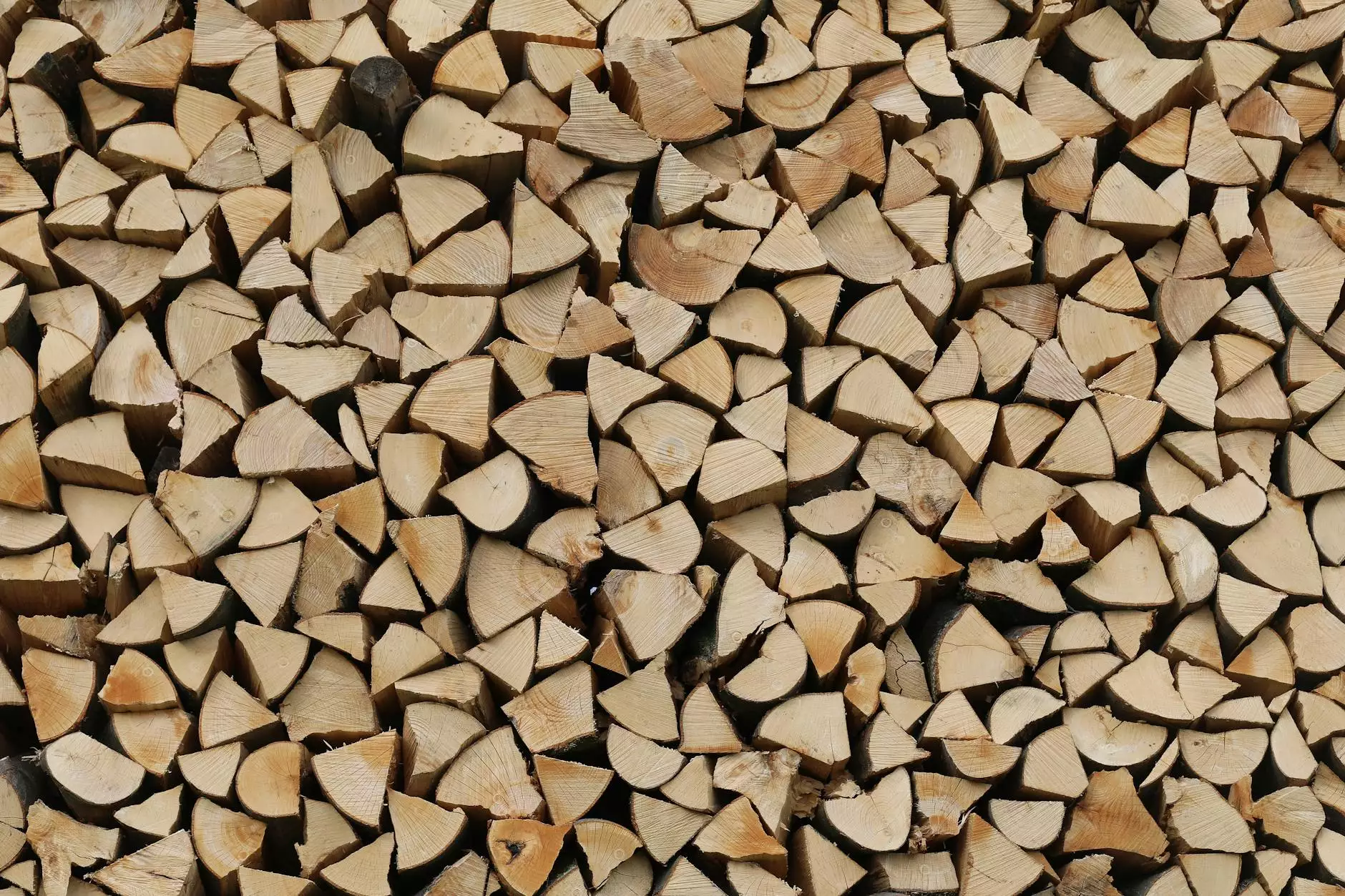
The growing concern for sustainable energy solutions has pushed biomass wood pellets into the spotlight as a practical and eco-friendly alternative to traditional fossil fuels. Offering a dual advantage as both a renewable energy source and a vital timber supply product, biomass wood pellets are revolutionizing the way we think about energy consumption. This article dives deep into the many benefits of biomass wood pellets, their production processes, and why purchasing timber in bulk is a smart choice for businesses today.
What Are Biomass Wood Pellets?
Biomass wood pellets are small, cylindrical pieces of compressed organic materials, primarily made from wood residues such as sawdust, wood shavings, and agricultural by-products. These pellets serve as a compact and efficient fuel source and have numerous applications in heating and electricity generation. Their production involves drying, grinding, and compressing the raw materials using high pressure, leading to a high-density product that burns cleaner than traditional fuels.
Benefits of Biomass Wood Pellets
Using biomass wood pellets as a fuel source comes with a plethora of benefits:
- Renewable Energy Source: Biomass wood pellets are produced from renewable resources, making them a sustainable alternative to fossil fuels.
- Lower Carbon Emissions: When burned, biomass wood pellets release significantly lower levels of carbon dioxide compared to coal or oil, contributing to a reduction in greenhouse gas emissions.
- Efficient Energy Production: The high density of biomass wood pellets allows for efficient combustion, resulting in high calorific value and energy output.
- Waste Reduction: Utilizing wood waste and residues to create biomass wood pellets helps in minimizing landfill waste and promotes the recycling of forest products.
The Environmental Impact of Biomass Wood Pellets
Adopting biomass wood pellets as an energy source significantly contributes to environmental conservation. The process of using biomass not only mitigates the reliance on non-renewable energy sources but also promotes sustainable forestry practices. Here’s how:
- Forest Management: Sustainable production of wood pellets encourages responsible forest management, leading to healthier forests and ecosystems.
- Carbon Neutrality: Growing trees absorb carbon dioxide, which offsets the emissions released during the combustion of biomass wood pellets.
- Reduction of Air Pollution: The clean-burning nature of biomass wood pellets results in lower emissions of particulate matter and harmful pollutants.
How Biomass Wood Pellets are Produced
The journey of biomass wood pellets from raw materials to a finished product involves several meticulous steps:
1. Sourcing Raw Materials
Quality raw materials are the foundation of high-grade biomass wood pellets. Most commonly, these materials include:
- Wood chips and sawdust from lumber mills
- Agricultural residues like straw and corn stalks
- Recycled wood waste from construction and demolition
2. Drying and Grinding
Once sourced, the raw materials undergo drying to reduce moisture content. High moisture levels can impede combustion and reduce energy output. Following this, the materials are finely ground to create a uniform particle size, enhancing the pelletizing process.
3. Pelletizing
The dried and ground material is then subjected to high pressure in a pellet mill, which compresses the material into small, dense pellets. This stage is crucial as it enhances the energy density and burn efficiency of the pellets.
4. Cooling and Screening
Post-pelletizing, the pellets are cooled to stabilize their structure and prevent breakage during handling. They are then screened to ensure uniform size, as consistent pellet size is essential for effective combustion.
5. Packaging and Distribution
Finally, the pellets are packaged and prepared for distribution. Bulk purchasing is highly advantageous, especially for businesses that rely on a consistent energy source.
Choosing to Buy Timber in Bulk
As a business focused on sustainability, one of the best decisions you can make is to buy timber in bulk. Here’s why:
1. Cost-Effectiveness
Buying timber in bulk allows businesses to benefit from significant cost savings. When purchasing large quantities, suppliers typically offer discounts, resulting in lower overall costs per unit.
2. Reliability in Supply
Bulk purchasing ensures a reliable supply chain. Businesses that rely on consistent access to timber can avoid disruptions that may occur with smaller, infrequent orders.
3. Quality Assurance
By establishing a relationship with a trusted supplier, businesses can ensure that they receive high-quality timber that meets their specifications and standards.
4. Environmental Responsibility
Committing to bulk purchases from sustainable sources helps in promoting responsible forestry practices, making a positive contribution to the environment while meeting business needs.
Finding the Right Supplier for Biomass Wood Pellets and Timber
Choosing the right supplier is critical for businesses seeking to integrate biomass wood pellets and bulk timber into their operations. Here are some factors to consider:
- Reputation: Research the supplier's reputation in the industry. Look for reviews and testimonials from other clients.
- Certification: Ensure that the supplier adheres to sustainability and quality standards, such as FSC (Forest Stewardship Council) certification.
- Product Range: A good supplier should offer a range of products, including various sizes and types of biomass wood pellets and timber.
- Customer Support: Opt for a supplier that provides excellent customer service and support, allowing for easy communication and problem resolution.
The Future of Biomass Wood Pellets
The market for biomass wood pellets is expected to grow exponentially in the coming years. As more businesses and households shift towards sustainable energy sources, the demand for biomass wood pellets will increase. Here are some trends shaping the future of this industry:
1. Technological Advancements
Innovation in production technology will enhance the efficiency and quality of biomass wood pellets, resulting in even lower emissions and higher energy output.
2. Increased Adoption of Renewable Energy
As governments and organizations worldwide push for renewable energy policies, the adoption of biomass wood pellets will gain traction as a viable renewable energy resource.
3. Growth in Biomass Power Plants
The construction of new biomass power plants will create additional demand for biomass wood pellets, solidifying their place in the energy market.
4. Collaborative Efforts
Increased collaboration among stakeholders in the biomass supply chain will lead to more sustainable practices and enhanced distribution networks, benefiting both suppliers and consumers.
Conclusion
Biomass wood pellets represent a significant step forward in the transition to sustainable energy. By choosing to invest in biomass wood pellets and sourcing timber in bulk from reputable suppliers like eksidtechug.com, businesses can not only reduce their carbon footprint but also achieve greater efficiency and cost savings. As the world continues to embrace renewable energy solutions, the importance of biomass wood pellets will only grow, positioning them as a cornerstone of a greener future.