Discover the Wonders of Wasabi: The Japanese Horseradish
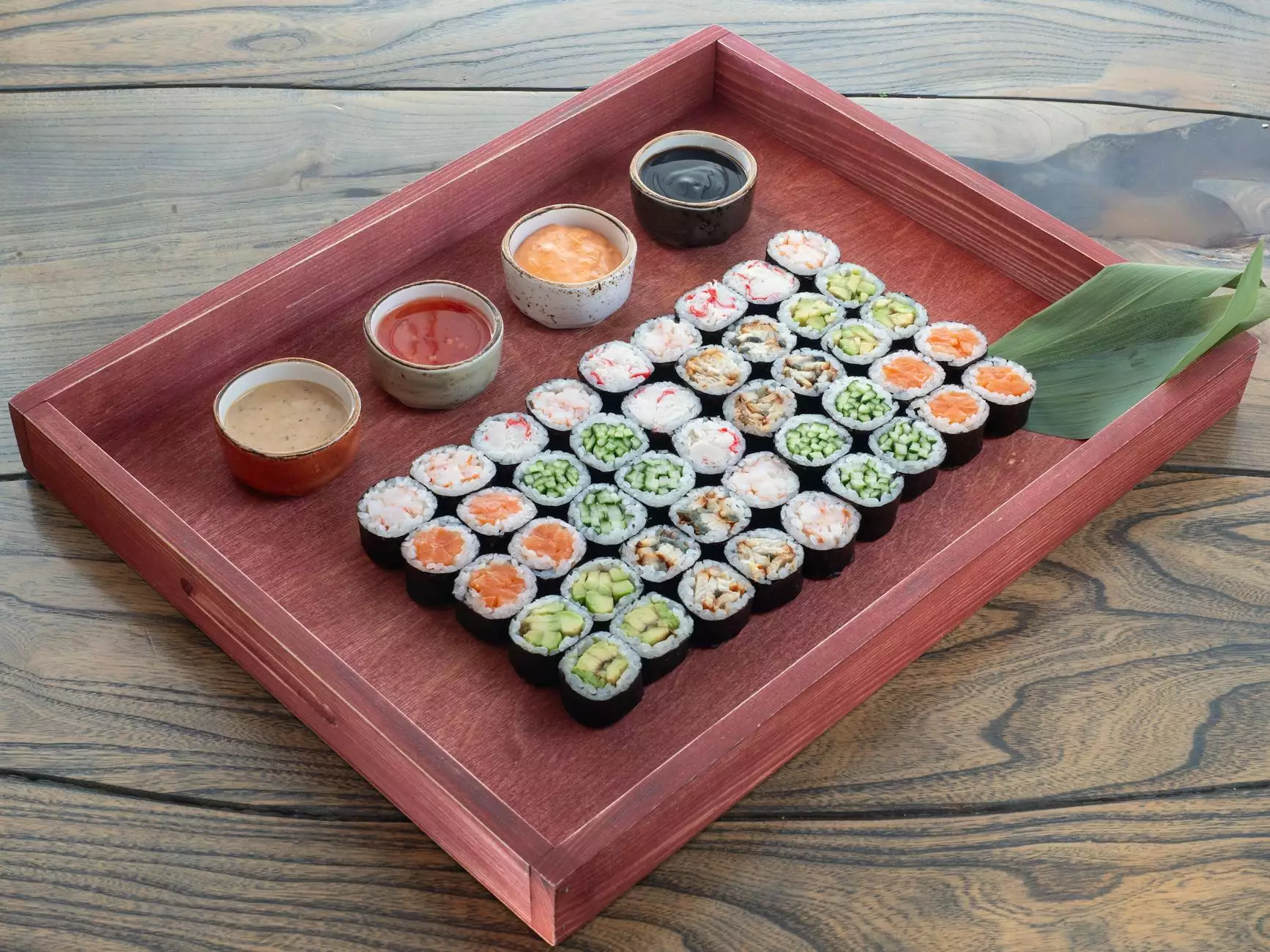
Wasabi, often referred to as Japanese horseradish, is a vibrant green condiment that is a staple of traditional Japanese cuisine. Known for its pungent flavor and unique heat, wasabi has not only carved a niche in Japanese dining but has also gained excessive popularity worldwide, especially in the context of sushi bars and Japanese restaurants. In this article, we will delve into the fascinating world of wasabi, its origins, cultivation, uses, and benefits.
The Origins of Wasabi
Wasabi is derived from the Wasabia japonica plant, a member of the Brassicaceae family, which also includes mustard and horseradish. Native to Japan, this plant thrives in the cold, clear streams of mountain regions, primarily in the >Japanese Alps. Its cultivation is labor-intensive, requiring precise conditions of shade, humidity, and temperature, leading to high demand yet limited supply. As a result, authentic wasabi is often more expensive than its commonly found substitutes, which are typically based on horseradish and colored with green dye.
Understanding Wasabi Root: The Heart of the Flavor
The part of the wasabi plant that is used in cuisine is the rhizome, which is the underground stem of the plant. This rhizome can be grated into a fine paste, which is how it is traditionally served alongside sushi and sashimi. The flavor of genuine wasabi is often described as a combination of heat and sweetness, with a sinus-clearing pungency that is more aromatic than the sharp heat of chili peppers. Unlike other spicy foods, wasabi’s heat does not linger long, making it an ideal accompaniment to delicate fish and other seafood.
Wasabi vs. Horseradish: The Key Differences
Many people may confuse wasabi with its close relative, horseradish. While both belong to the same plant family and share a similar pungent flavor profile, there are significant differences:
- Flavor Profile: Wasabi has a fresher and more complex flavor, while horseradish tends to be sharper and more biting.
- Color: Authentic wasabi is a vibrant green, while horseradish is usually a whitish-yellow.
- Heat Duration: Wasabi's heat dissipates quickly, whereas horseradish can leave a lasting burn.
- Usage: While both can enhance meat dishes, wasabi is primarily used in Japanese cuisine, especially with raw fish dishes.
The Health Benefits of Wasabi
Beyond its distinctive flavor, wasabi also offers numerous health benefits:
- Antimicrobial Properties: Wasabi contains compounds that can inhibit the growth of bacteria, making it a natural preservative, especially beneficial for raw fish.
- High in Antioxidants: Rich in antioxidants, wasabi helps combat oxidative stress in the body, promoting overall health.
- Anti-inflammatory Effects: Research indicates that wasabi may help reduce inflammation, which is linked to several chronic diseases.
- Potential Cancer-Fighting Properties: Some studies suggest that wasabi can slow the growth of cancer cells, although more research is needed in this area.
- Digestive Health: The compounds in wasabi can aid digestion and promote gut health.
How to Use Wasabi in Culinary Practices
Given its distinctive flavor, knowing how to incorporate wasabi into your meals can elevate your culinary creations. Here are some popular ways to use wasabi:
1. Sushi and Sashimi
The most iconic pairing of wasabi is with sushi and sashimi. It is typically placed between the fish and the rice, enhancing the umami flavor of the dish.
2. In Dressings and Marinades
Adding wasabi to salad dressings or marinades can provide a spicy kick to your salads and grilled meats. A simple mix of soy sauce, wasabi, and sesame oil can create a delightful marinade for your proteins.
3. As a Flavor Enhancer
When preparing dishes like mashed potatoes, creamy dips, or even in a potato salad, a touch of wasabi can add a new level of flavor, making the ordinary extraordinary.
4. In Sauces
Mix wasabi into mayonnaise or sour cream for a spicy twist to sandwiches and burgers, or use it to create delicious dipping sauces for vegetables and seafood.
5. As a Spice in Soups
A small amount of wasabi can transform a plain broth-based soup into a gourmet dish, adding depth and flavor that were previously missing.
How to Store Wasabi
To maintain the freshness and flavor of your wasabi, proper storage is essential. Here are some tips:
- Fresh Wasabi: If you have fresh wasabi root, store it in the refrigerator wrapped in a damp cloth or paper towel inside a plastic bag to maintain its moisture.
- Grated Wasabi: If you have prepared wasabi paste, it should be stored in an airtight container in the fridge. Consumed within a week is ideal for maintaining its peak freshness.
- Wasabi Powder: Keep wasabi powder in a cool, dry place; it can last for months if stored properly.
Exploring the Market: Purchasing Authentic Wasabi
When shopping for wasabi, it is essential to recognize the differences between real wasabi and imitation products, which are often made from horseradish with additives. Here are some tips for purchasing genuine wasabi:
- Know Your Sources: Seek out reputable Japanese grocery stores or specialty suppliers that specify they carry authentic wasabi.
- Look for Labels: Check for products labeled "100% wasabi" or "authentic wasabi;" this can often indicate a higher quality product.
- Online Availability: Websites like realwasabi.com may source genuine wasabi and provide options for delivery directly to your door.
Final Thoughts: The Culinary Adventure with Wasabi
In conclusion, wasabi, often referred to as Japanese horseradish, is more than just a condiment; it’s a culinary masterpiece that brings a unique zest to various dishes. With its roots steeped in tradition and its profile rich with flavors, it is no surprise that wasabi has captured the hearts of many food enthusiasts. Next time you enjoy sushi or a Japanese dish, appreciate the delightful complexity that authentic wasabi brings to your palate.
Whether you are a seasoned chef or a home cook, embracing wasabi can open up new pathways in your culinary journey. Explore, experiment, and experience the extraordinary sensation that this remarkable condiment offers.
wasabi japanese horseradish