Exploring the Hotel Furniture Market: Trends, Innovations, and Best Practices
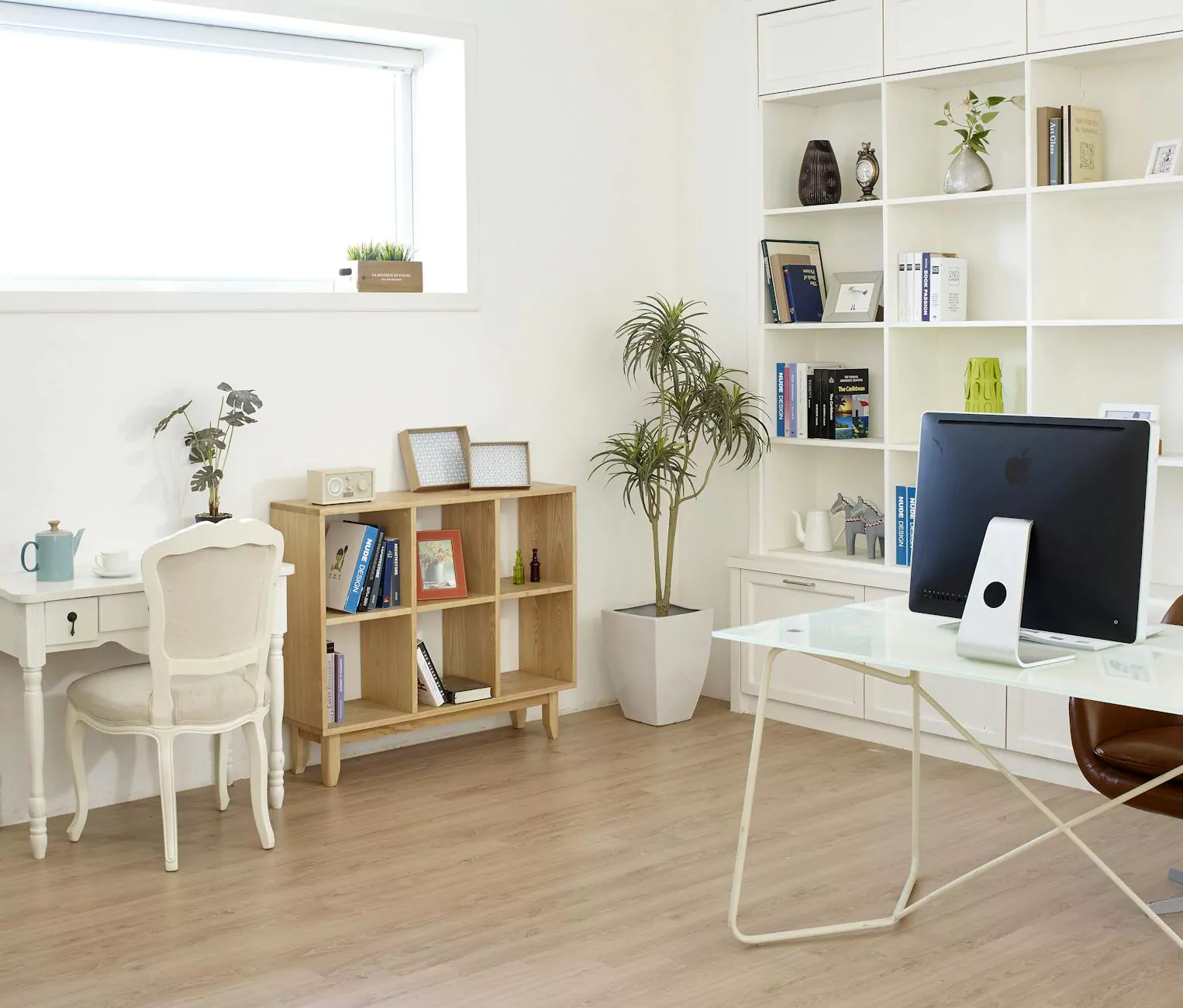
The hotel furniture market is a pivotal sector that plays a crucial role in enhancing the overall guest experience and influencing the operational efficiency of hotels and resorts. As the hospitality industry evolves, so does the demand for innovative and aesthetically pleasing furniture solutions that align with contemporary design trends and sustainability standards. This article offers a comprehensive overview of the hotel furniture market, detailing its current trends, innovations, and best practices that hotel owners should consider to successfully navigate this dynamic landscape.
Understanding the Hotel Furniture Market
The hotel furniture market encompasses a wide range of products specifically designed for use in the hospitality sector. This includes furniture for guest rooms, lobbies, restaurants, and conference facilities. The significance of high-quality hotel furniture cannot be overstated; it not only reflects the brand's identity but also contributes to guest satisfaction and retention.
The Importance of Quality in Hotel Furniture
Investing in quality furniture is essential for hotels aiming to provide an exceptional guest experience. High-quality furniture not only enhances the aesthetic appeal of a property but also improves functionality and durability. Here are some reasons why quality matters:
- Durability: High-quality materials withstand wear and tear over time, ultimate saving costs on replacements and repairs.
- Comfort: Comfortable furniture promotes relaxation, encouraging guests to stay longer and return to your establishment.
- Aesthetic Value: Well-designed furniture contributes to the overall atmosphere and ambiance, creating a memorable experience.
- Brand Identity: Your furniture choices communicate your brand's message and values, echoing the overall theme of your establishment.
Current Trends in the Hotel Furniture Market
The hotel furniture market is continuously evolving, influenced by changing consumer preferences, technological advancements, and environmental considerations. Here are some of the most notable trends currently shaping the industry:
1. Sustainability and Eco-Friendliness
In recent years, there has been a growing emphasis on sustainability within the hotel furniture market. Hotels are increasingly looking to furnish their spaces with eco-friendly materials and sustainable design practices. This trend is driven by a significant consumer preference for environmentally responsible businesses. Hotels can enhance their reputation and appeal by adopting sustainable furniture options, such as:
- Recycled Materials: Furniture made from reclaimed wood or recycled plastics not only minimizes waste but also adds unique character to the space.
- Biodegradable Options: Choosing biodegradable materials is becoming a priority for hotels looking to reduce their environmental footprint.
- Local Sourcing: Sourcing furniture from local artisans helps to support the community and reduce transportation emissions.
2. Multi-Functional Furniture
As hotel spaces become increasingly compact, there is a rising demand for multi-functional furniture. This trend is particularly prominent in urban areas, where space is at a premium. Multi-functional furniture serves various purposes, aiding in the efficient use of space:
- Convertible Sofas and Beds: Offering beds that can be converted into comfortable sofas provides flexibility for room usage.
- Storage Solutions: Items that incorporate storage options, such as ottomans with hidden compartments, can help keep the space organized.
- Modular Designs: Modular furniture allows for rearrangement according to different events or gatherings, enhancing versatility.
3. Technology Integration
Technology has profoundly impacted the hotel furniture market, with smart furniture becoming increasingly popular. Guests now expect seamless integration of technology in their accommodations. Examples include:
- Charging Stations: Furniture pieces equipped with built-in charging stations to accommodate smartphones, tablets, and laptops.
- Smart Desks: Desks that feature touch controls for lighting and integrated speakers enhance the work experience.
- Adjustable Furniture: Adjustable desks and ergonomic chairs that promote comfort and productivity for business travelers.
Design Innovations in Hotel Furniture
Innovative design is crucial in keeping up with the evolving preferences of travelers. The following design approaches are making significant waves in the hotel furniture market:
1. Minimalistic and Modern Designs
Many hotels are turning to minimalistic aesthetics that emphasize simplicity and elegance. This design philosophy not only looks modern but also creates a sense of calm and tranquility for guests. Key features include:
- Clean Lines: Furniture pieces with straight lines and minimal embellishment convey a sense of sophistication.
- Neutral Color Palettes: Utilizing neutral tones promotes a cohesive and relaxing environment.
- Natural Textures: Incorporating wood, stone, and metal introduces natural elements that enhance the overall appeal without overwhelming the senses.
2. Bold Colors and Patterns
Contrasting the minimalistic approach, other hotels are embracing bold colors and striking patterns to create vibrant and engaging spaces. This design strategy can capture the essence of a destination and resonate with guests looking for unique experiences:
- Accent Furniture: Using color pops in furniture pieces can create focal points within rooms or lobbies.
- Eclectic Patterns: Mixing patterns can create an inviting and creative atmosphere that encourages exploration of the space.
- Local Crafts: Incorporating local artisanal crafts into the furniture selection helps tell the story of the destination and adds authenticity.
3. Customization and Personalization
Today's guests are looking for experiences that feel personalized. Custom furniture that aligns with a hotel's brand identity can enhance this aspect, making the guest experience more memorable. Customization can include:
- Tailored Designs: Working with designers to create unique furniture pieces that reflect the hotel's theme or concept.
- Fabric Choices: Offering guests a choice of fabrics or colors can give them a sense of ownership over their accommodations.
- Special Features: Adding unique features tailored to specific hotel types, such as beaches or mountain themes, creates a distinctive identity.
Best Practices for Sourcing and Selecting Hotel Furniture
1. Assess Your Needs
Before making any purchases, assess the specific needs of your hotel. Consider:
- The target demographic of your guests.
- The overall style and theme of your hotel.
- The amount of space and layout of each area.
2. Partner with Reputable Suppliers
Choosing the right suppliers is critical for ensuring quality and timely delivery. Look for suppliers that offer:
- High-quality materials and craftsmanship.
- A track record of success in the hospitality industry.
- Excellent customer service and support.
3. Focus on Durability and Maintenance
Considering the high traffic that hotel furniture endures, opt for pieces that are easy to clean and maintain. This can extend the life of the furniture and maintain aesthetics:
- Choose stain-resistant fabrics for upholstered items.
- Select durable woods or synthetic materials that withstand wear.
- Incorporate finishes that protect against scratches and damage.
4. Solicit Feedback from Guests
Gathering feedback from guests about their experiences can inform future purchasing decisions. Create opportunities for guests to share their thoughts on furniture comfort, design, and functionality. This approach can lead to:
- Improved guest satisfaction rate.
- Informed decisions when updating or replacing furniture.
- Insights into trending preferences among your target audience.
Conclusion: The Future of the Hotel Furniture Market
The hotel furniture market is poised for continuous growth and innovation as it adapts to the evolving standards of modern hospitality. By staying informed of trends, embracing technology, and prioritizing sustainability, hoteliers can enhance the guest experience while simultaneously boosting their operational efficiencies. Implementing best practices for furniture selection and sourcing can help establish a unique identity that resonates with guests and sets the stage for future success in the highly competitive hospitality landscape.
Investing wisely in hotel furniture is more than just a purchase; it's a commitment to crafting environments that leave lasting impressions and foster returning guests. Dive into the hotel furniture market today, and let your choice of furniture tell the story of your brand!