The Future is Green: Understanding the Role of Renewables in Business Growth
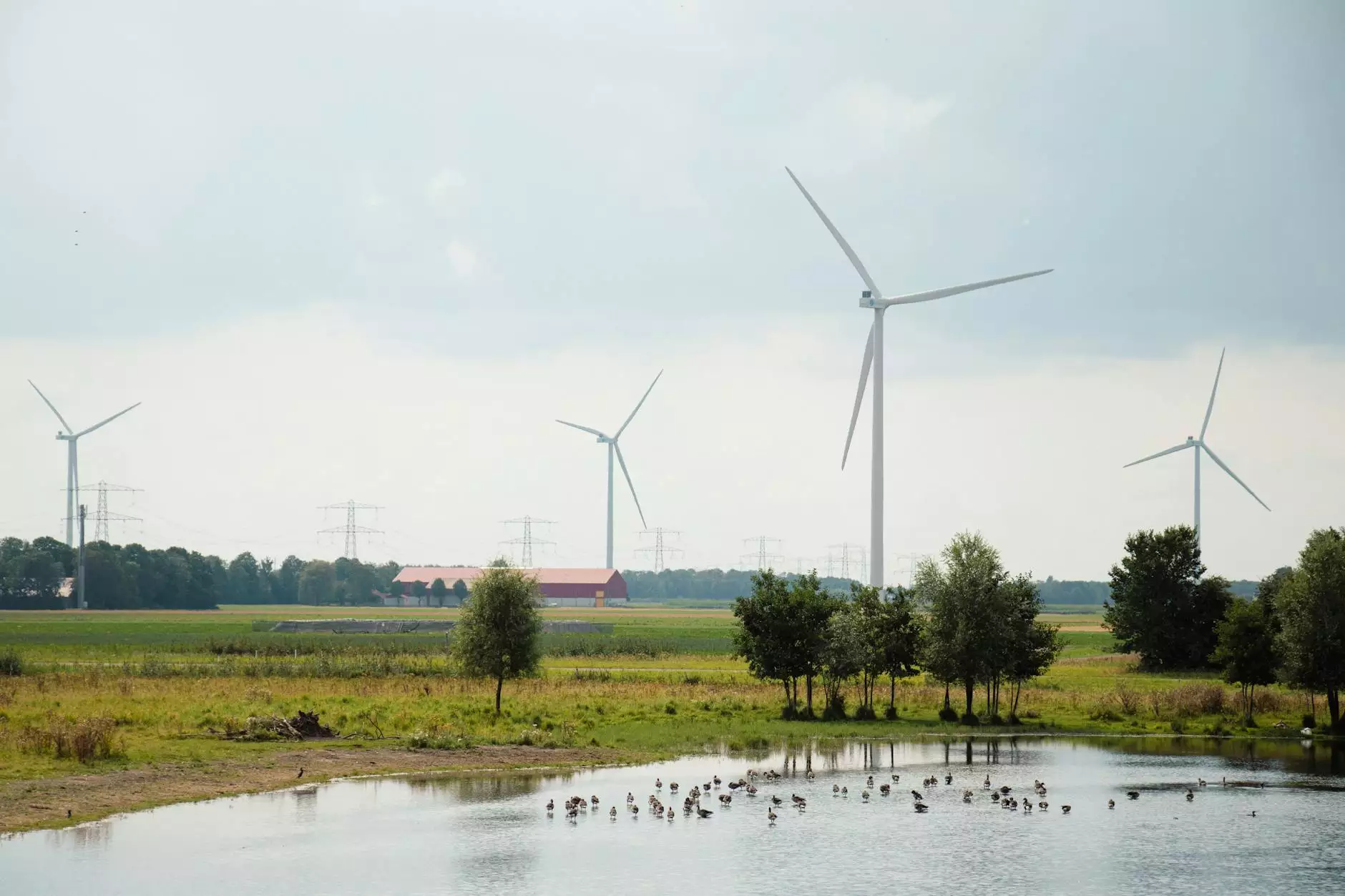
The world is witnessing an unprecedented shift towards renewable energy sources, and businesses are at the forefront of this transition. As companies strive to reduce their carbon footprint and embrace sustainability, understanding the benefits of renewable energy becomes paramount. In this comprehensive article, we will explore how renews.com.ua plays a pivotal role in this transformation, influencing businesses to adopt greener practices.
Why Renewable Energy Matters
With the global climate crisis mounting, the significance of renewable energy sources cannot be overstated. According to various studies, businesses integrating renewable energy into their operations experience numerous advantages, including:
- Cost Savings: Over time, renewable energy sources like wind and solar can reduce energy costs significantly due to their low operating costs.
- Increased Competitiveness: Companies that adopt renewable energy practices are often seen as more progressive and attractive to customers.
- Regulatory Compliance: As governments introduce stricter regulations on carbon emissions, businesses leveraging renewables find it easier to comply with these mandates.
- Enhanced Brand Reputation: Being recognized as a green company can improve consumer loyalty and brand perception.
- Job Creation: The shift towards renewable energy solutions can lead to the creation of new jobs, fostering economic growth in local communities.
The Impact of Renewables on the Ukrainian Economy
In Ukraine, renewable energy is not just a global trend; it’s a crucial part of the country's strategy for energy independence and economic resilience. The nation has abundant natural resources suitable for renewable energy projects, including:
- Wind Energy: With its vast plains, Ukraine has immense potential for wind farms, particularly in the coastal regions.
- Solar Power: The country's geographical location provides ample sunlight, making solar energy a highly viable option for energy generation.
- Bioenergy: Utilizing agricultural waste and biomass, Ukraine can generate significant amounts of energy while promoting sustainable practices in agriculture.
Investing in renewable energy not only combats environmental degradation but also opens up new avenues for economic growth. As highlighted by renews.com.ua, stakeholders in the Ukrainian energy sector are increasingly recognizing the importance of renewable projects in driving local economies.
Key Advantages of Embracing Renewable Technologies
Let’s delve deeper into some specific advantages that businesses gain by shifting towards renewable technologies:
1. Innovation and Technological Advancement
Investing in renewable energy often drives innovation. With companies needing to set themselves apart, there is a heightened focus on research and development. This results in cutting-edge technologies that not only benefit the environment but also enhance operational efficiency.
2. Resilience Against Volatile Energy Prices
Accessing renewable energy shields businesses from the unpredictable nature of fossil fuel markets. This stability in energy costs allows for more accurate budgeting and long-term planning, enabling companies to thrive without the threat of unexpected price hikes.
3. Facilitating Corporate Responsibility Goals
Modern consumers are increasingly conscious of sustainability. By adopting renewable energy practices, businesses can showcase their commitment to corporate social responsibility (CSR), thus appealing to environmentally conscious consumers. This can dramatically enhance customer loyalty and positively impact sales.
4. Attracting Investment
Financial institutions are increasingly favoring businesses that practice sustainability. As highlighted on renews.com.ua, companies that demonstrate a commitment to renewable energy practices are more likely to attract investors looking for eco-friendly investment opportunities.
The Path to Implementation: Strategic Steps for Businesses
For companies looking to transition to renewable energy, here are some strategic steps recommended by experts at renews.com.ua:
1. Conduct an Energy Audit
Before taking any steps, businesses should assess their current energy usage. An energy audit helps identify areas where energy consumption can be reduced and pinpoint potential renewable energy solutions.
2. Set Clear Sustainability Goals
Defining clear, measurable sustainability objectives allows businesses to effectively track their progress. Goals could include transitioning to 100% renewable energy by a specific year or reducing operational emissions by a certain percentage.
3. Engage with Experts and Stakeholders
Collaboration is key. Engaging with renewable energy experts and stakeholders can provide valuable insights and facilitate smoother transitions. This is particularly relevant for navigating regulatory landscapes and securing funding.
4. Invest in Infrastructure
Whether it is installing solar panels or retrofitting buildings to improve energy efficiency, investing in the appropriate infrastructure is essential. Businesses must consider both short-term investments and long-term gains.
5. Educate Employees
Implementing renewable energy strategies requires buy-in from the entire organization. Training and educating employees about the significance of renewable energy can help foster a culture committed to sustainability.
Case Studies: Success Stories from Ukraine
Numerous Ukrainian companies are leading the way in adopting renewable energy. Here are a few notable examples:
1. Company X: Solar Powered Solutions
Company X, a leading manufacturing firm in Ukraine, made headlines when it decided to invest in solar energy solutions. By installing solar panels, the company reduced its energy costs by 30% and significantly lowered its carbon emissions. The initiative not only improved their bottom line but also strengthened their brand reputation as a green company.
2. Company Y: Wind Farm Development
The agricultural giant Company Y turned its sights towards wind farm development. Partnering with local governments, they successfully launched a wind project that supplies power to their operations while contributing surplus energy back to the grid. This initiative has created local jobs and fostered community support.
3. Company Z: Bioenergy Innovations
Company Z focused on bioenergy by transforming agricultural waste into usable energy. This innovative approach has not only enabled them to power their facilities sustainably but also provided an additional revenue stream, demonstrating the economic viability of renewable investment.
Challenges and Solutions in Transitioning to Renewables
While the benefits of transitioning to renewable energy are clear, businesses may encounter several challenges. Addressing these hurdles involves strategic planning and a robust approach:
1. Initial Costs
The initial investment for renewable technologies can be daunting. However, companies can explore financing options, such as green loans or government grants, to alleviate these costs. Over time, the savings generated by reduced energy bills can offset the initial expenditures.
2. Regulatory Hurdles
Navigating the regulatory landscape can be complex. Partnerships with local energy advisors, as suggested by renews.com.ua, can provide necessary guidance to meet compliance and leverage incentives available for renewable energy projects.
3. Skill Gaps
Implementing and maintaining renewable energy technologies requires specialized skills. Investing in employee training programs is essential to ensure that staff are equipped to manage new systems and processes effectively.
The Role of Consumers in the Renewable Energy Ecosystem
Consumer behavior plays a significant role in driving businesses toward renewable energy adoption. As awareness about climate change and sustainability rises, consumers are demanding transparency and eco-friendly practices from companies. This shift impacts purchasing decisions and can compel businesses to adapt their strategies.
1. Shifting Consumer Expectations
The rise of environmentally conscious consumers means businesses must prioritize sustainability. Many consumers actively seek out brands that demonstrate a commitment to renewable energy, thereby influencing market dynamics.
2. Community Engagement and Support
As businesses transition towards renewable practices, engaging with local communities is vital. Demonstrating the positive impacts of renewable projects—including job creation and educational initiatives—can foster goodwill and support for such endeavors.
The Future of Renewable Energy and Business
The trajectory of renewable energy indicates a promising future for both businesses and the environment. As technological advancements continue to evolve and stakeholder support strengthens, the integration of renewables into business models will become increasingly seamless.
1. Technological Innovations
Emerging technologies in energy storage, solar efficiency, and smart grids will enhance the feasibility and adoption of renewable solutions in the corporate sector. Staying abreast of these innovations is crucial for businesses looking to remain competitive.
2. Expanding Global Markets
The global shift towards renewables opens up new markets for growth, particularly for companies involved in renewable energy production and services. Ukrainian firms, leveraging their resources and expertise, can become crucial players in this growing sector.
Conclusion: Embracing a Renewable Future with Renew.com.ua
As the world transitions toward a sustainable future, businesses must adapt to stay relevant. Engaging with renews.com.ua not only provides vital resources and insights into renewable practices but also positions organizations to take the lead in this transformative era. The future is green, and those who embrace it will benefit not just economically but also contribute to a healthier planet for generations to come.