Understanding the Office Hysteroscopy Procedure: A Complete Guide for Women's Health
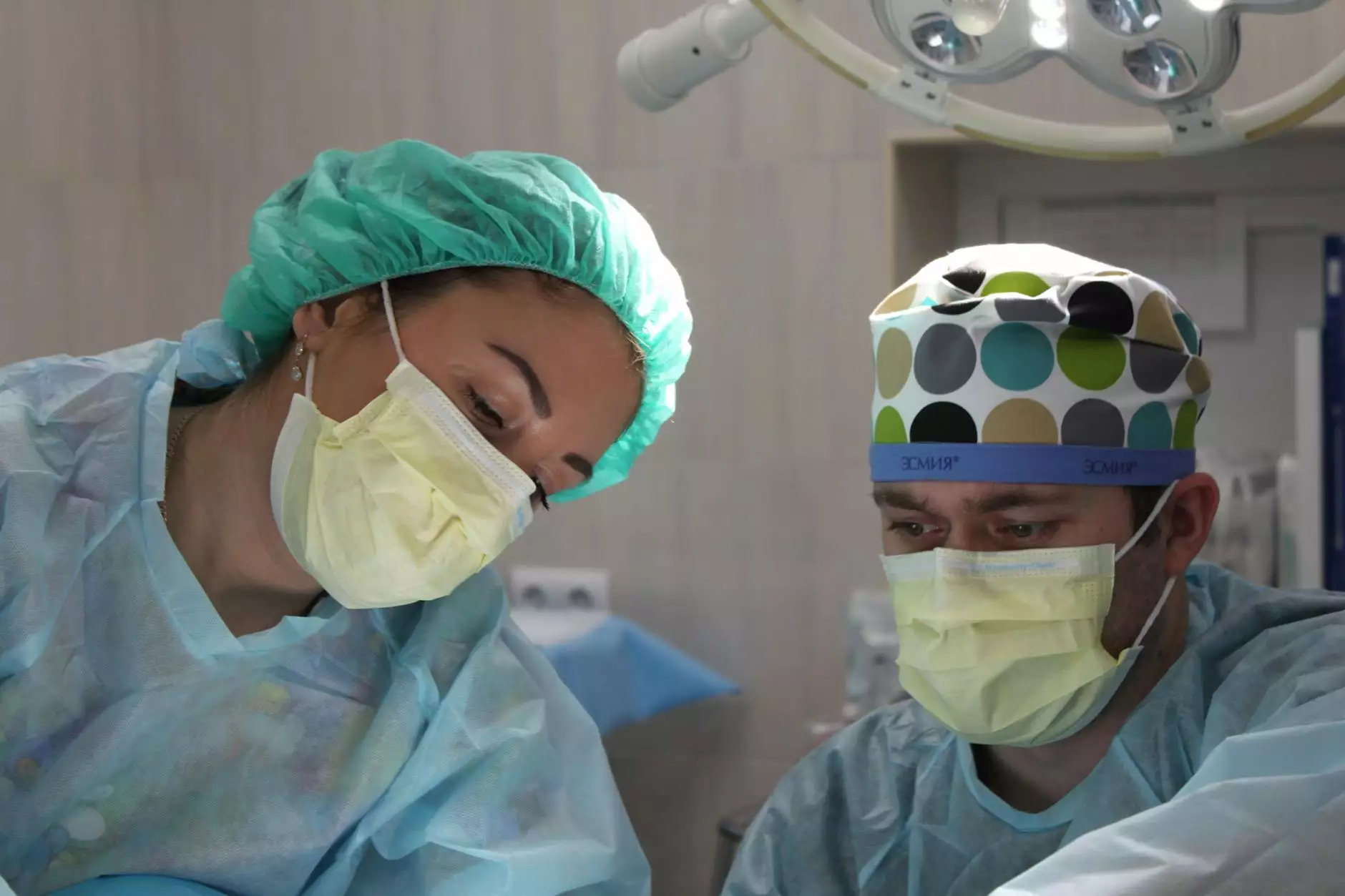
The realm of women's health & medical care has seen remarkable advancements over recent decades, offering women more effective, minimally invasive options to manage gynecological conditions. Among these innovative procedures, the office hysteroscopy procedure stands out as a groundbreaking development, providing high-quality diagnostic and therapeutic services in outpatient settings.
What Is an Office Hysteroscopy Procedure?
Office hysteroscopy is a minimally invasive diagnostic and therapeutic procedure performed in a gynecologist’s office to examine or treat problems within the uterine cavity. Using a slender, lighted device called a hysteroscope, physicians can visualize the interior of the uterus directly, identify abnormalities, and perform necessary interventions without requiring general anesthesia or hospitalization.
The Significance of Office Hysteroscopy in Modern Gynecology
In recent years, the office hysteroscopy procedure has revolutionized women's healthcare due to its numerous benefits:
- Minimally Invasive: No need for large incisions or complex surgical processes.
- Outpatient Setting: Performed comfortably in a clinic or office environment.
- Reduced Recovery Time: Patients often resume normal activities within hours to days.
- Cost-Effective: Lower costs compared to traditional surgical procedures requiring hospital stays.
- High Precision: Enables accurate diagnosis and targeted treatment.
Indications for Office Hysteroscopy
This procedure is particularly useful for diagnosing and managing various uterine conditions, including:
- Abnormal Uterine Bleeding: Heavy, irregular, or abnormal bleeding patterns.
- Recurrent Miscarriages: Investigating potential uterine abnormalities.
- Fibroids and Polyps: Visualizing and removing benign growths within the uterus.
- Asherman’s Syndrome: Detecting intrauterine adhesions or scarring.
- Congenital Uterine Anomalies: Identifying structural abnormalities affecting fertility.
- Failed IVF Cycles: Evaluating intrauterine environment for implantation success.
Preparation for the Office Hysteroscopy Procedure
Proper preparation ensures the procedure's safety and efficacy. Patients are typically advised to:
- Schedule the procedure during the appropriate phase of their menstrual cycle, often after menstruation.
- Avoid inserting tampons, menstrual cups, or vaginal medications prior to the appointment.
- Inform the physician about any allergies, medications, or medical conditions.
- Take prescribed medications such as analgesics or antibiotics if instructed by the gynecologist.
- Arrange for transportation home after the procedure, especially if sedation is used.
The Step-by-Step Process of the Office Hysteroscopy Procedure
The office hysteroscopy procedure is designed to be quick, usually lasting between 10 to 30 minutes, with minimal discomfort. Here is a detailed overview of what to expect:
1. Patient Positioning and Preparation
The patient lies on an examination table in the lithotomy position. The gynecologist conducts a pelvic exam to assess the external genitalia and prepares the vagina with antiseptic solution to reduce the risk of infection.
2. Insertion of the Hysteroscope
The hysteroscope, a thin, lighted tube, is gently inserted through the vagina and cervix into the uterine cavity. Usually, the procedure involves minimal or no pain, but local anesthesia or a mild sedative may be administered for comfort.
3. Visualization and Assessment
Once inside, the physician examines the uterine walls, looking for abnormalities such as polyps, fibroids, adhesions, or congenital malformations. Saline or carbon dioxide may be used to distend the uterine cavity, providing a clear view.
4. Diagnostic and Therapeutic Interventions
If necessary, the physician can perform interventions during the same session, such as removing polyps, fibroids, or scar tissue, or taking tissue biopsies for histological analysis.
5. Completion and Recovery
After completing all necessary evaluations and treatments, the hysteroscope is gently withdrawn. The entire procedure is usually quick, and most women experience only mild cramping or spotting afterward.
Post-Procedure Care and Expectations
Following the office hysteroscopy procedure, patients may experience mild cramping, light bleeding, or spotting, which typically resolve within a few days. To facilitate recovery and reduce discomfort, physicians recommend:
- Rest and avoid strenuous activities for the first 24 hours.
- Maintain good hygiene, but refrain from using tampons or having intercourse for a few days as advised.
- Contact your healthcare provider if you experience severe pain, heavy bleeding, fever, or foul-smelling discharge.
- Schedule follow-up appointments, especially if biopsies were taken or procedures performed.
Advantages of Choosing an Office Hysteroscopy at Dr. Seckin
At Dr. Seckin.com, our experienced doctors, health & medical professionals specializing in obstetricians & gynecologists services employ state-of-the-art equipment to deliver safe, effective, and patient-centered care. Benefits of choosing us include:
- Expertise and Compassion: Our team is dedicated to providing personalized attention with a focus on patient comfort.
- Advanced Technology: Utilizing the latest hysteroscopic devices ensures precise diagnosis and minimally invasive procedures.
- Convenience and Comfort: Outpatient services eliminate the need for hospital stays and general anesthesia.
- Comprehensive Care: We offer both diagnostic and therapeutic procedures tailored to individual needs.
- Patient Education: Clear communication about procedures, risks, and post-care ensures informed decision-making.
Why the Office Hysteroscopy Procedure Is a Game-Changer in Women's Healthcare
The evolution of hysteroscopic technology means that women no longer need to undergo invasive surgeries or lengthy hospital stays. Instead, the office hysteroscopy procedure provides an effective platform for early diagnosis and immediate treatment, significantly reducing recovery times and enhancing patient outcomes.
This approach aligns perfectly with the modern emphasis on minimally invasive treatments, patient convenience, and cost-effectiveness, making it the preferred option for gynecological evaluations and interventions when feasible.
Understanding Risks and Safety Measures
While the office hysteroscopy procedure is generally safe, it's important to be aware of potential risks, which are rare but can include:
- Perforation of the uterine wall
- Infection
- Excessive bleeding
- Fluid overload or reactions to medications used
At Dr. Seckin, we prioritize patient safety by adhering to strict procedural protocols, using sterile techniques, and providing comprehensive pre- and post-procedure care.
In Conclusion: A Modern Solution for Complex Gynecological Issues
The office hysteroscopy procedure stands as a quintessential example of how technological advancement in gynecology improves women's health outcomes. It allows for quick, accurate diagnosis and immediate treatment, all within a comfortable outpatient environment.
If you're experiencing symptoms related to uterine abnormalities or require diagnostic evaluation, consulting with an experienced obstetrician & gynecologist at drseckin.com can help you determine whether an office hysteroscopy procedure is suitable for you. Take control of your reproductive health today by choosing expert, compassionate care designed to meet your individual needs.